Bay of Plenty
Sun, surf and two different hospitals
The Bay of Plenty gets more sun than almost anywhere else in the North Island and has the coastline to go with it. Two hospitals serve the district, and they're not the same job at all.
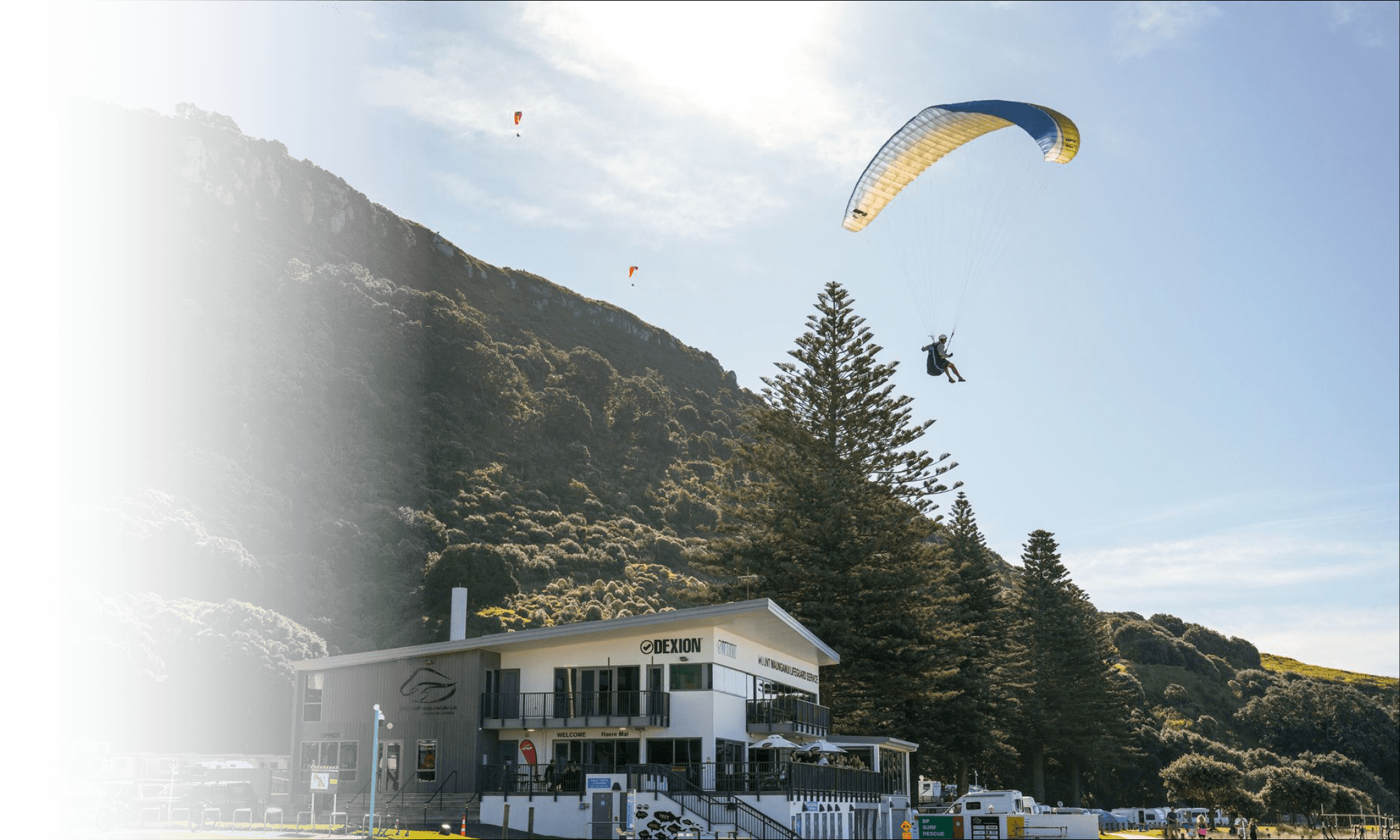
Bay of Plenty at a glance
Main centres:
Tauranga, Mount Maunganui, Whakatāne
Population:
Regional population: 277,500
Largest urban centre: 184,000
Health district:
Bay of Plenty
Main hospitals:
Tauranga Hospital, Whakatāne Hospital
Summer average high:
24°C in January
Winter average high:
15°C in July
Sunshine:
2,260 hours a year
Rainfall:
1,200 mm a year
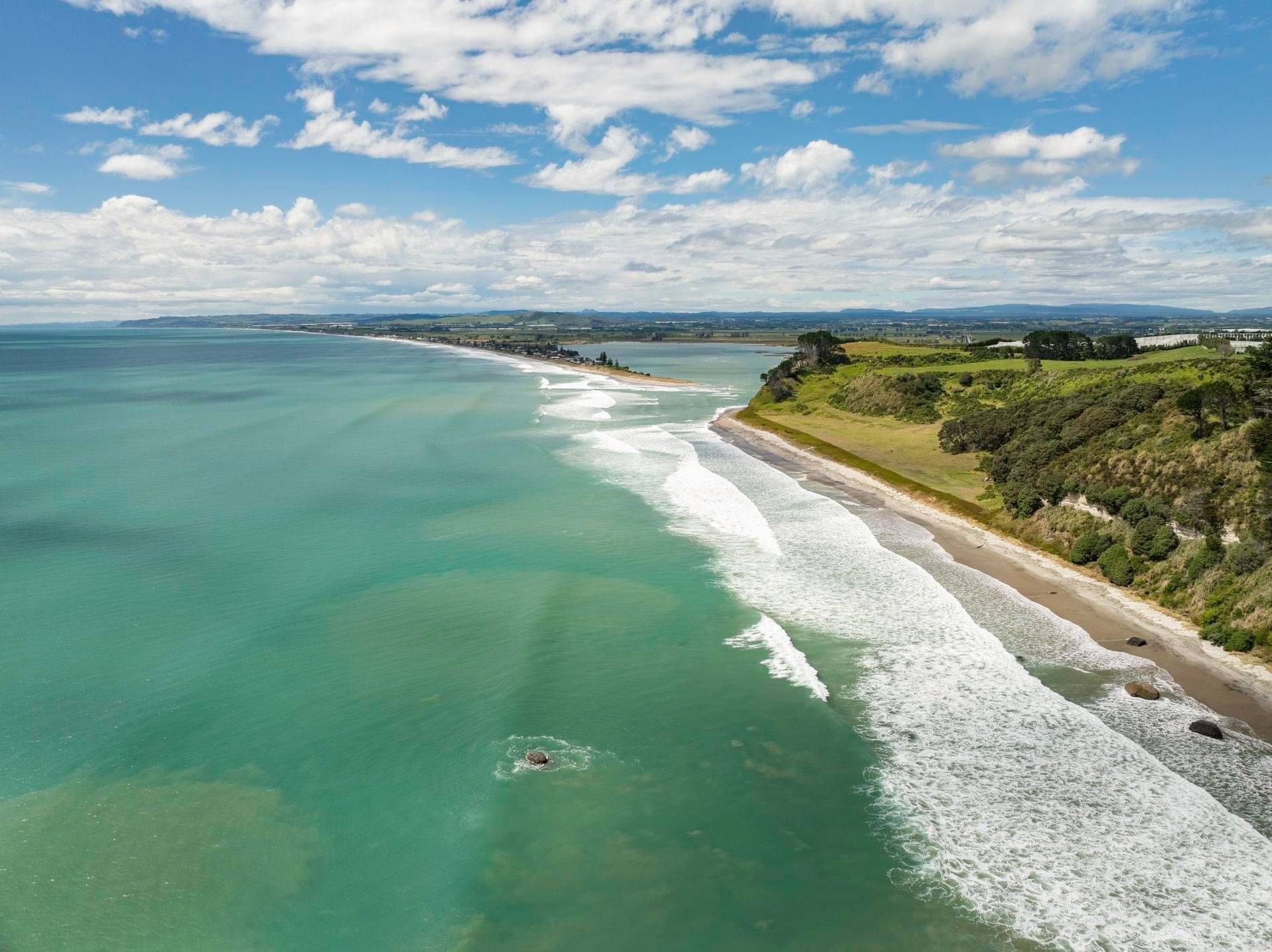
Living in the Bay of Plenty, a coastline people move for
The Bay curves along the eastern top of the North Island. Tauranga sits on a harbour beside Mount Maunganui, which is the beach a lot of New Zealanders head to in January.
Whakatāne is further east, smaller and quieter, with the active volcano of Whakaari offshore and farmland and forest behind it.
This is kiwifruit country. Long sun hours, warm water a good chunk of the year, and a growing season that shows up in the markets.
Tauranga and Whakatāne hospitals, two different jobs
Health New Zealand describes Tauranga Hospital as a regional hospital with a comprehensive range of medical and surgical services. It carries most of the district's acute work.
Whakatāne Hospital runs inpatient, outpatient and community services, and it's accredited for rural medicine trainees in emergency medicine, obstetrics and gynaecology, and paediatrics.
If you want structured rural training with real range, look properly at Whakatāne. If you want a busier secondary service with more specialty cover, that's Tauranga.
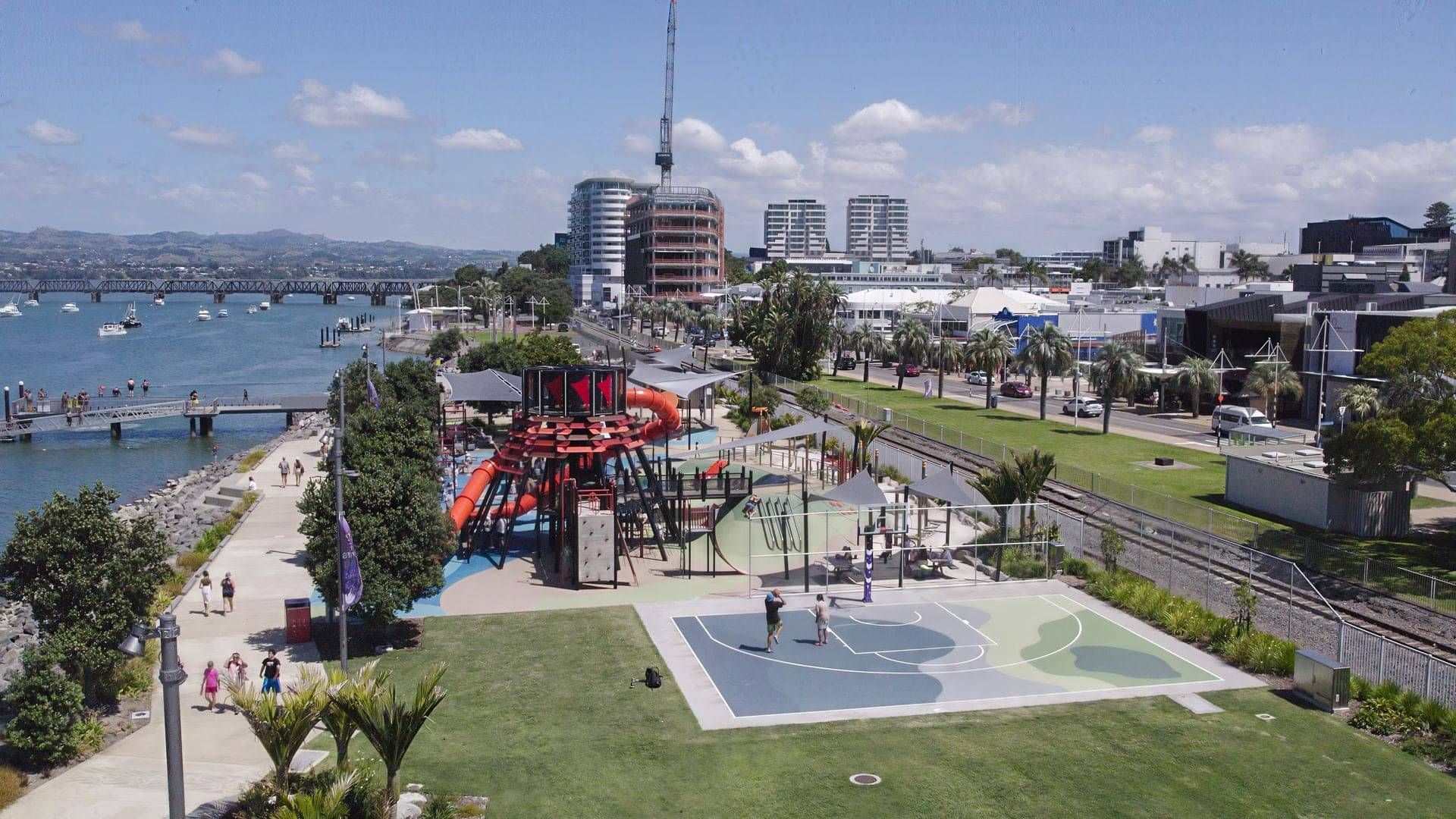

Settling into the Bay with family
Tauranga has the schooling, sport and services of a mid-sized city, with the beach built into the week rather than saved for holidays. Kids here grow up in the water.
Whakatāne is a small town in the good way. People know each other, the commute is minutes, and if you turn up to things the community takes you in quickly.
The fuller picture
The Bay is another one of the fastest growing parts of the country, and Tauranga's investment in new roads, schools and facilities reflects that. Plenty of people move here and stay.
Both hospitals work at secondary level, with complex cases referred on. If your practice sits at that end of your specialty, check where the work is based.
Whakatāne regularly ranks among the sunniest towns in New Zealand, and the Eastern Bay has a relaxed, unspoilt coastline that locals are fiercely proud of.

Talk to us about the Bay of Plenty
We'll be specific about the difference between Tauranga and Whakatāne, because they're quite different places to work. For international doctors, registration, immigration and the practicalities of settling in sit alongside the role itself.
What hospitals are in the Bay of Plenty?
Tauranga Hospital and Whakatāne Hospital. Tauranga is the larger, with a comprehensive range of medical and surgical services. Whakatāne runs inpatient, outpatient and community services and is accredited for rural medicine trainees.
Is the Bay of Plenty good for rural medicine training?
Whakatāne Hospital is accredited for rural medicine trainees in emergency medicine, obstetrics and gynaecology, and paediatrics, which makes it a practical option if you want that range.
Is the Bay of Plenty a good place to live?
Very much so. Long sunny summers, warm water, Mount Maunganui on the doorstep and a growing city with good schools make it one of the most popular places in New Zealand to live.


Contact Us
nz@nzdr.nz
+64 21 288 6937
www.nzdr.nz
Auckland, New Zealand

