Nelson & Marlborough
Opportunities in the sunniest corner of the country
The top of the South Island gets more sun than most of New Zealand, with three national parks in reach and a wine region at its eastern end.
Two hospitals cover the district, one at Nelson and one at Blenheim.
Nelson & Marlborough at a glance
Main centres:
Nelson, Blenheim, Richmond, Tākaka
Population:
Regional population: 165,000
Largest urban centre: 89,100
Health district:
Nelson Marlborough
Main hospitals:
Nelson Hospital, Wairau Hospital
Summer average high:
22°C in Nelson
24°C in Blenheim
Winter average high:
13°C in Nelson
13°C in Blenheim
Sunshine:
2,410 hours a year
Rainfall:
970 mm in Nelson
660 mm in Blenheim
Living at the top of the South Island
Nelson sits on a bay at the western end. Small city, an arts and craft tradition, a working port, and the weather that draws people down from all over the country.
Blenheim sits east in the Marlborough wine country, with the Sounds and their maze of inlets just north. Richmond, Tākaka and Murchison cover the districts around them.
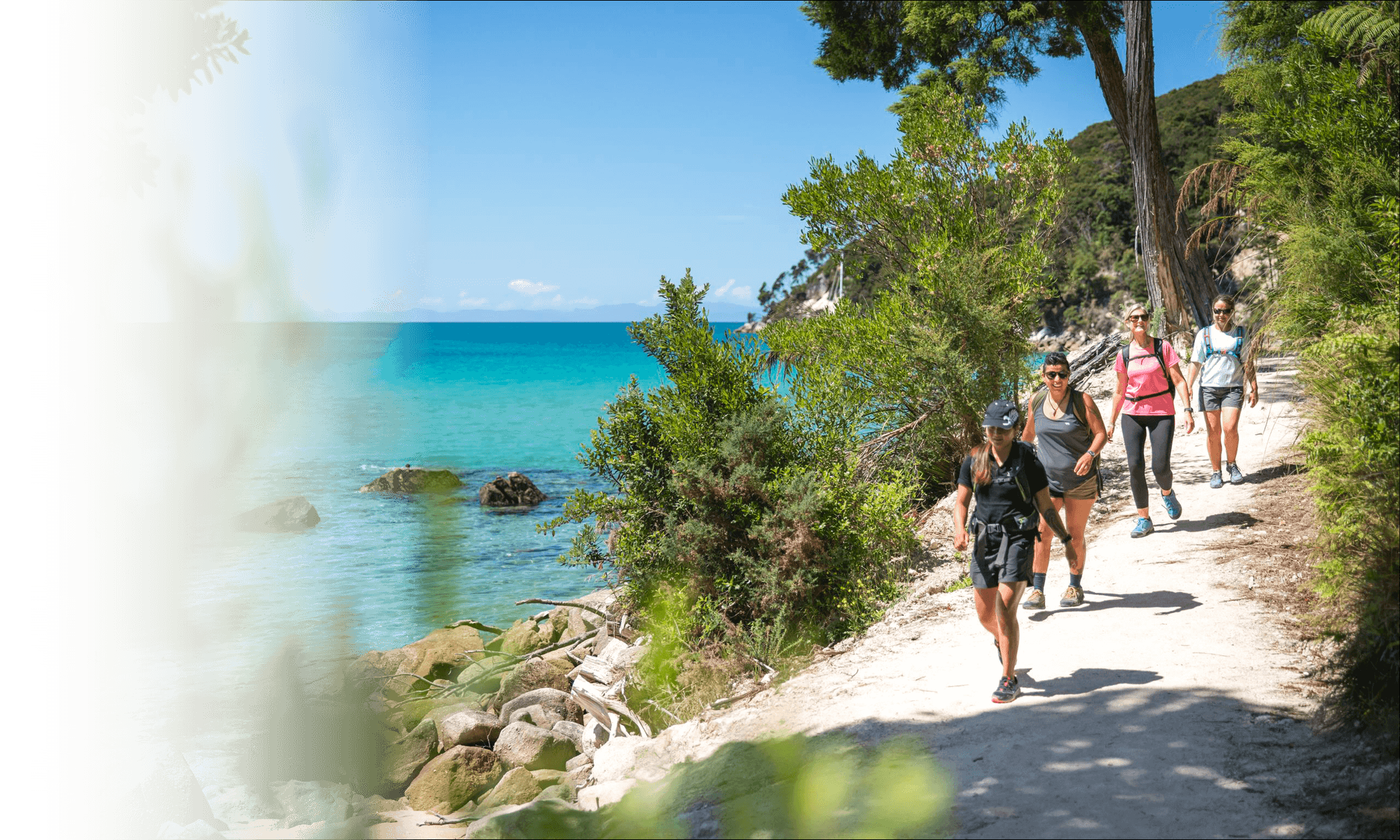
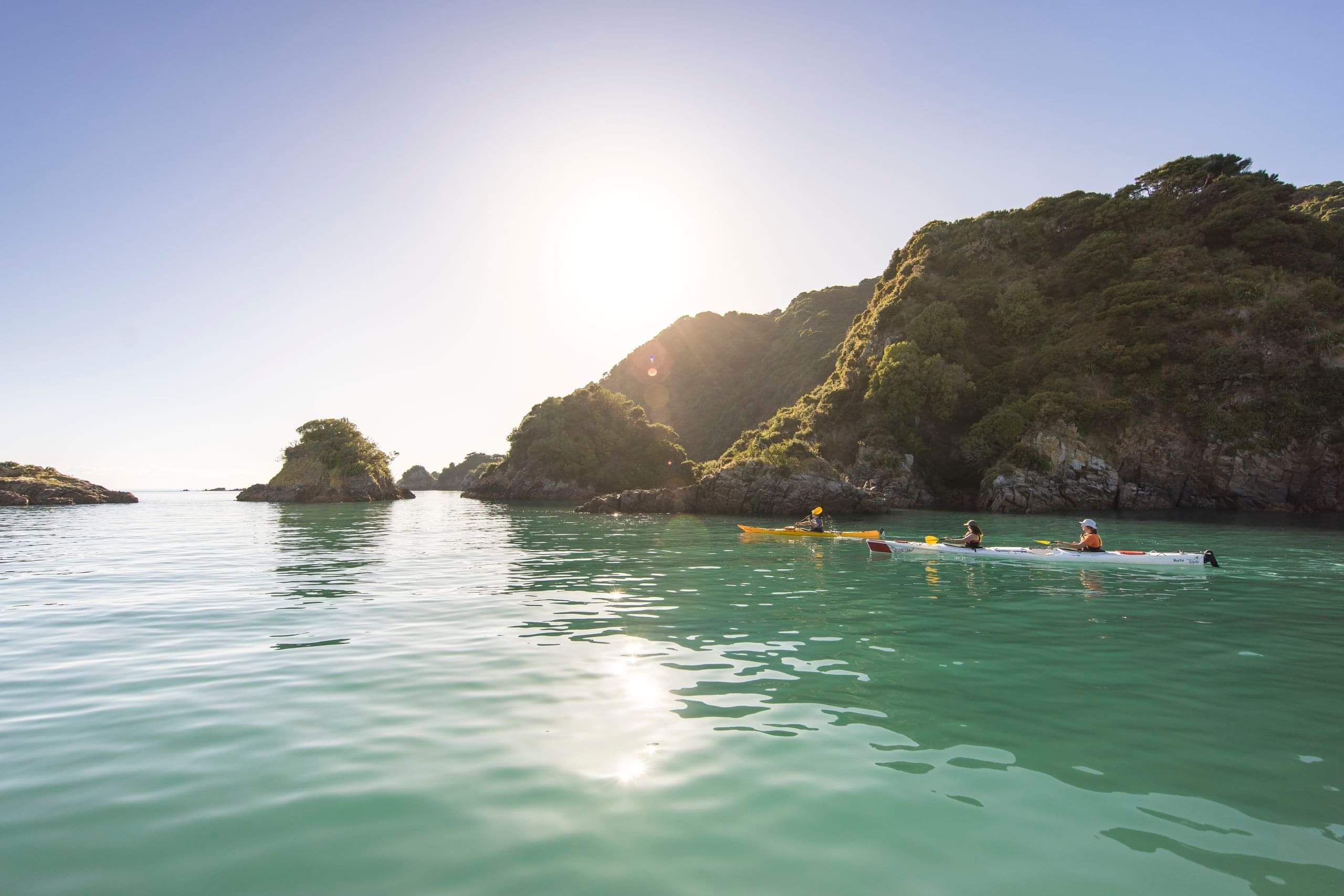
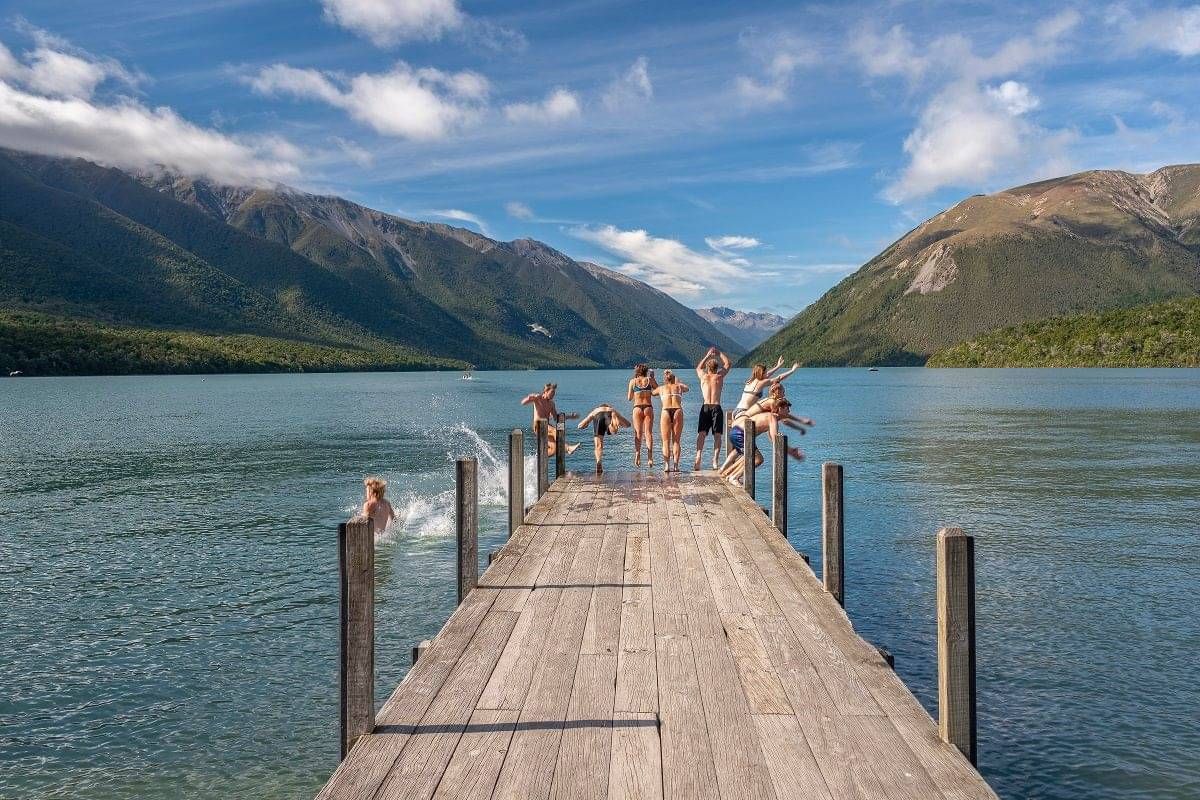
Abel Tasman, Kahurangi and Nelson Lakes national parks are all in reach, which is unusual for one district. Sea kayaking, tramping and mountain biking are ordinary weekend plans here.
Nelson and Wairau hospitals, covering a wide patch
Health New Zealand describes Nelson Hospital, also known as Whakatū Hōhipera, as a secondary hospital with a wide range of medical and surgical services. It's the district's largest and most of the regional and specialist teams are based there.
Wairau Hospital in Blenheim has an emergency department, a secondary birthing unit, diagnostics, maternity and mental health services.
Golden Bay Community Health Centre at Tākaka and the health centre at Murchison cover the smaller and more remote communities. Alexandra Hospital in Richmond specialises in older persons mental health.
The district covers a lot of ground, and some roles include time at more than one site, which keeps the work varied.
Why people move to Nelson and don't leave
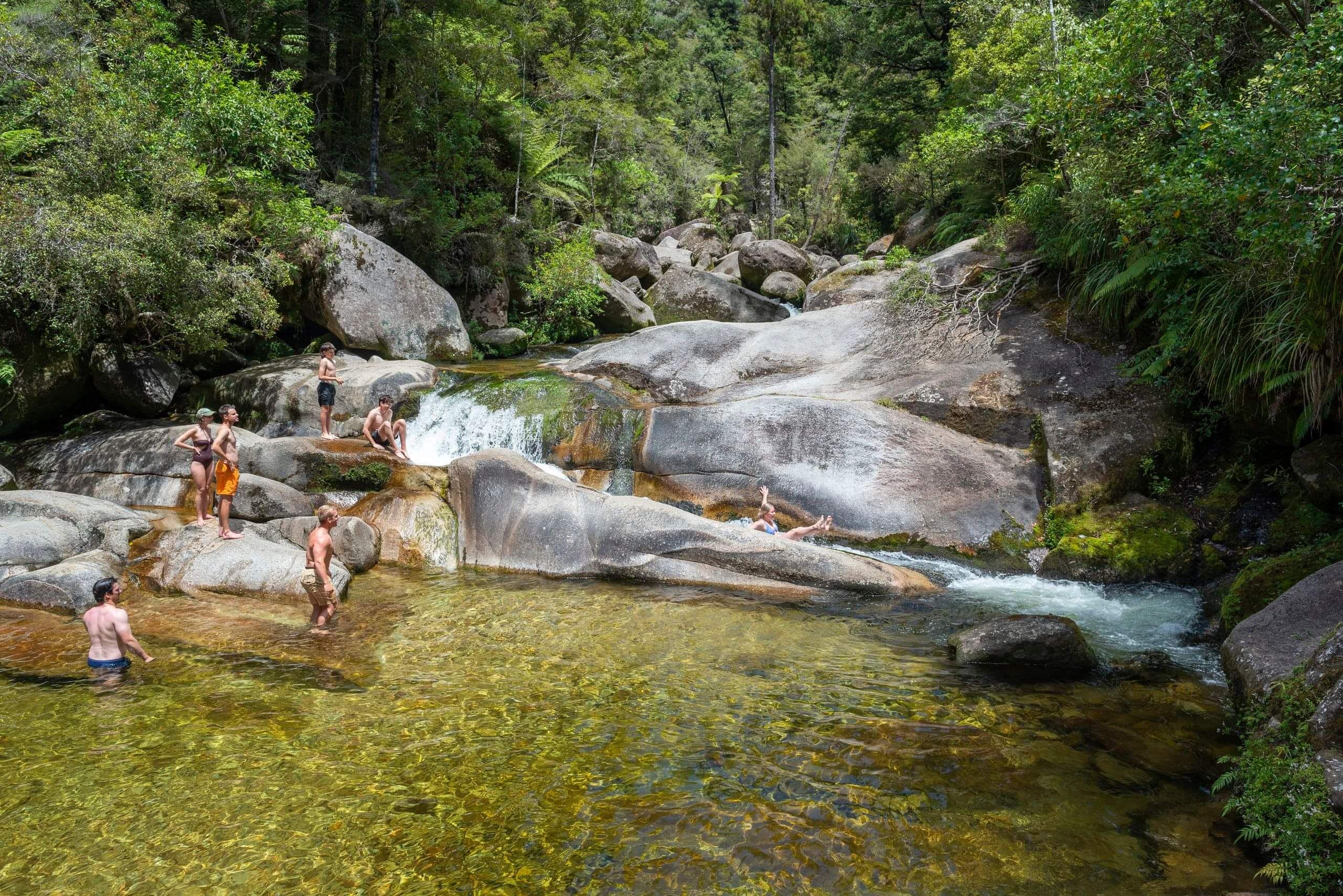
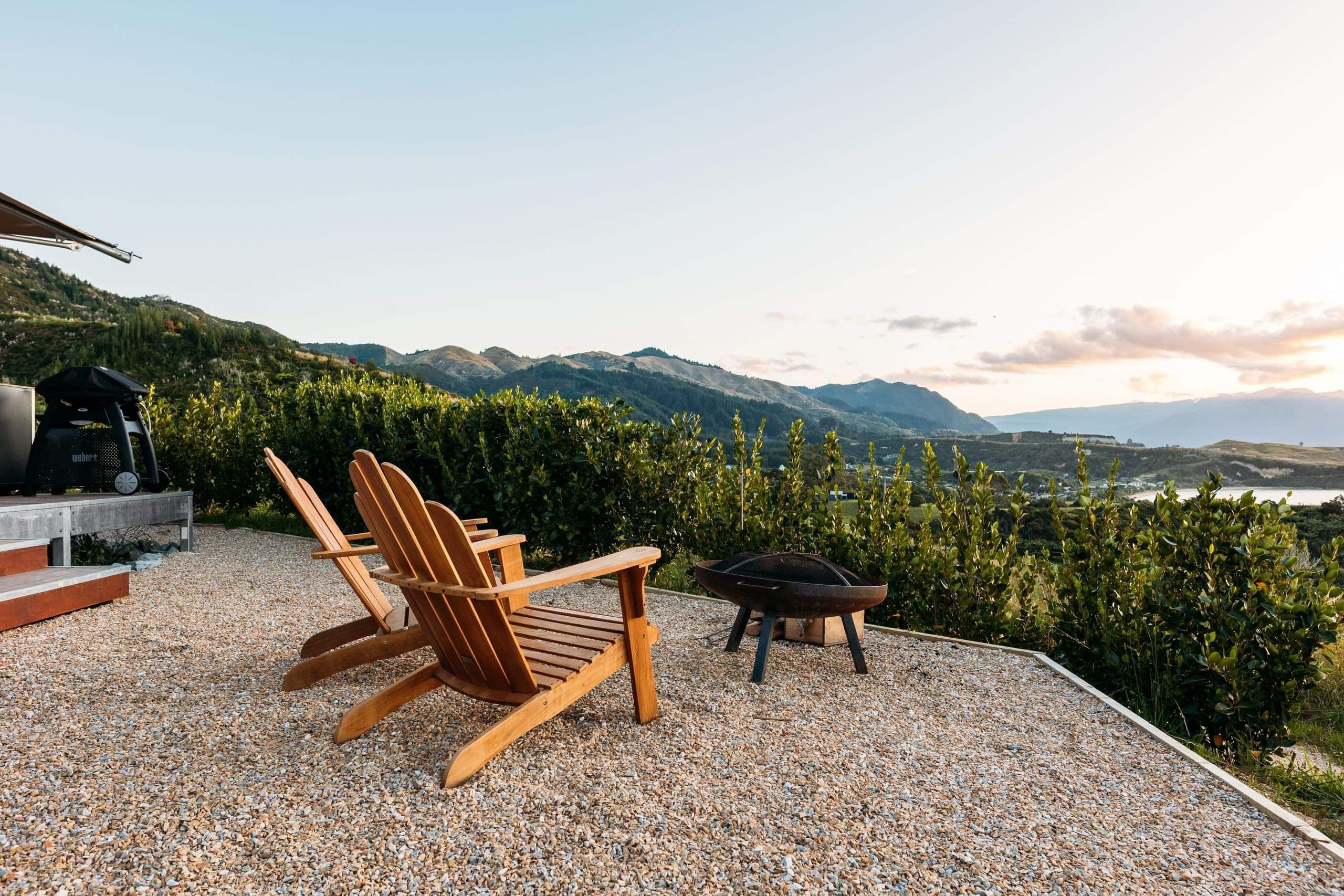
This is one of the parts of New Zealand where people pick the place first and find the job second. That tells you most of what you need to know about the lifestyle.
Nelson and Blenheim are both small enough for a short commute and complete enough for full schooling and sport.
The climate is among the driest and sunniest in the country, and the Marlborough food and wine scene lives up to what's claimed for it.
The fuller picture
The region is popular, and people who move here tend to stay, which says a lot about the lifestyle.
Both hospitals work at secondary level, with the most complex cases referred on to Christchurch or Wellington.
Nelson Airport has direct flights to Auckland, Wellington and Christchurch, and the Interislander and Bluebridge ferries link Picton to Wellington.
Talk to us about the top of the South
We'll be clear about the difference between a Nelson-based role and a Wairau one, and about how much travel a role really involves. For international doctors, registration, immigration and relocation are part of the same conversation.
What hospitals are in Nelson and Marlborough?
Nelson Hospital, also known as Whakatū Hōhipera, is the district's largest, described by Health New Zealand as a secondary hospital with a wide range of medical and surgical services.
Wairau Hospital in Blenheim has an emergency department, a secondary birthing unit, diagnostics, maternity and mental health services.
Is Nelson a good place to live?
It's among the sunniest parts of New Zealand at around 2,400 hours a year, with three national parks in reach, a small walkable city and a strong arts tradition.
How far is Nelson from Christchurch?
Nelson sits at the top of the South Island, around five to six hours' drive from Christchurch or a short flight.
Complex clinical work from the district is generally referred to Christchurch or Wellington.


Contact Us
nz@nzdr.nz
+64 21 288 6937
www.nzdr.nz
Auckland, New Zealand

