Northland
Work where it's warmer
Northland is the top of the North Island, and it's the warmest part of New Zealand. Four hospitals cover a region that's long, thin and thinly populated, so the clinical work runs broad and the beach is usually no more than twenty minutes away.
Northland at a glance
Main centres:
Whangārei, Kerikeri, Kaitaia, Dargaville
Population:
Regional population: 201,100
Largest urban centre: 92,600
Health district:
Northland
Main hospital:
Whangārei Hospital
Summer average high:
24°C in January
Winter average high:
15°C in July
Sunshine:
1,970 hours a year
Rainfall:
1,490 mm a year

Living in Northland, sea on both sides
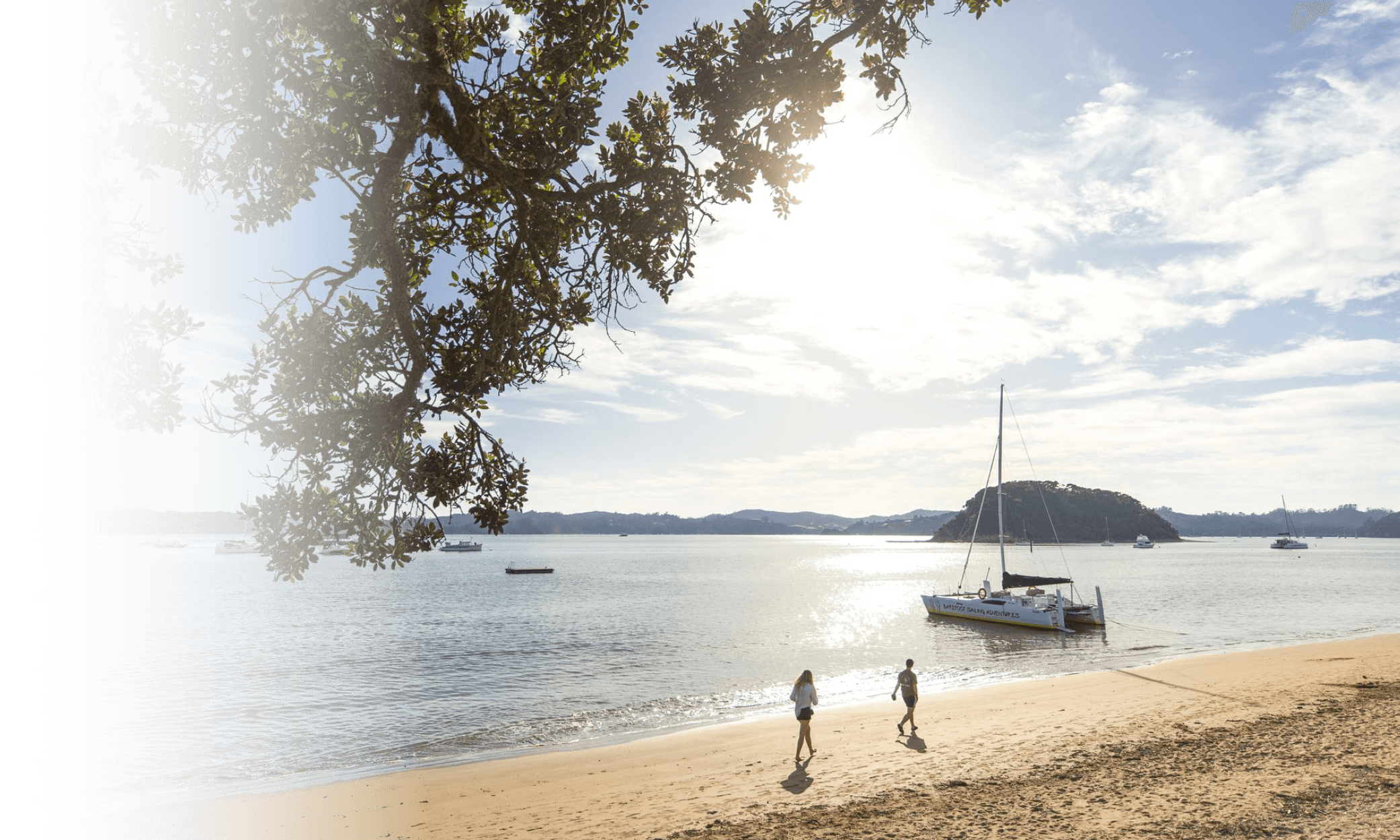
Northland runs from just above Auckland to Cape Reinga. It's narrow enough that you're rarely far from water, and wide enough that getting between towns takes a while.
Whangārei is the main centre. Kerikeri and the Bay of Islands sit further north and fill up over summer. Kaitaia covers the far north, Dargaville the Kaipara.
Winter here is short and wet rather than cold. If you've spent your career somewhere grey, that's the change you'll notice first.
Northland's four hospitals, and the caseload that comes with them
Health New Zealand lists four hospitals across Northland. Whangārei Hospital is the base hospital, with Bay of Islands Hospital at Kawakawa, Kaitaia Hospital and Dargaville Hospital serving their own communities.
The population is spread across the region, so what comes through the door is more varied than you'd see in a city service, and you keep a broad hand in your specialty.
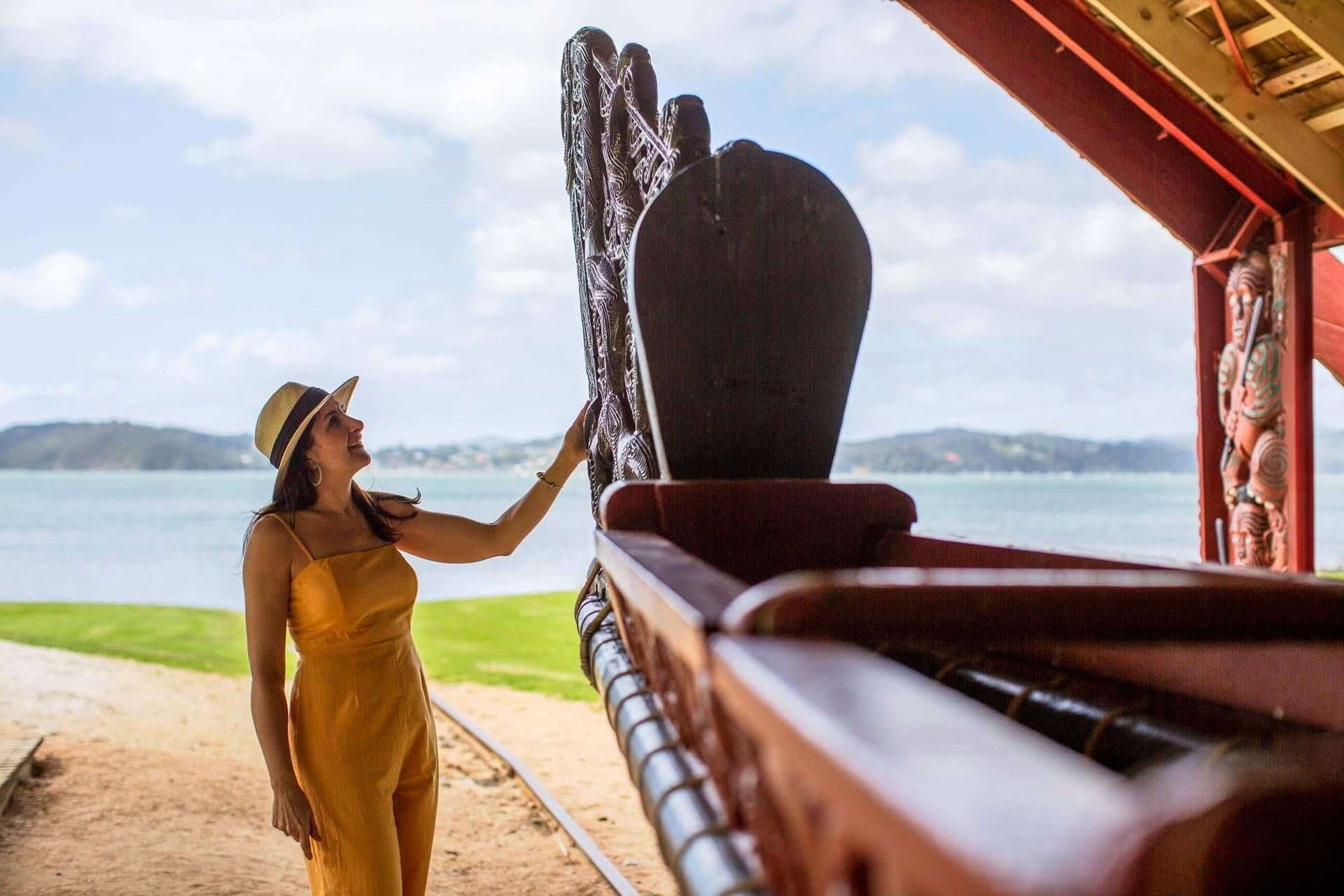
Northland has a large rural and Māori population, and those communities shape the work. For many doctors, that breadth of practice and connection to community is part of the appeal.
Moving to Northland with family
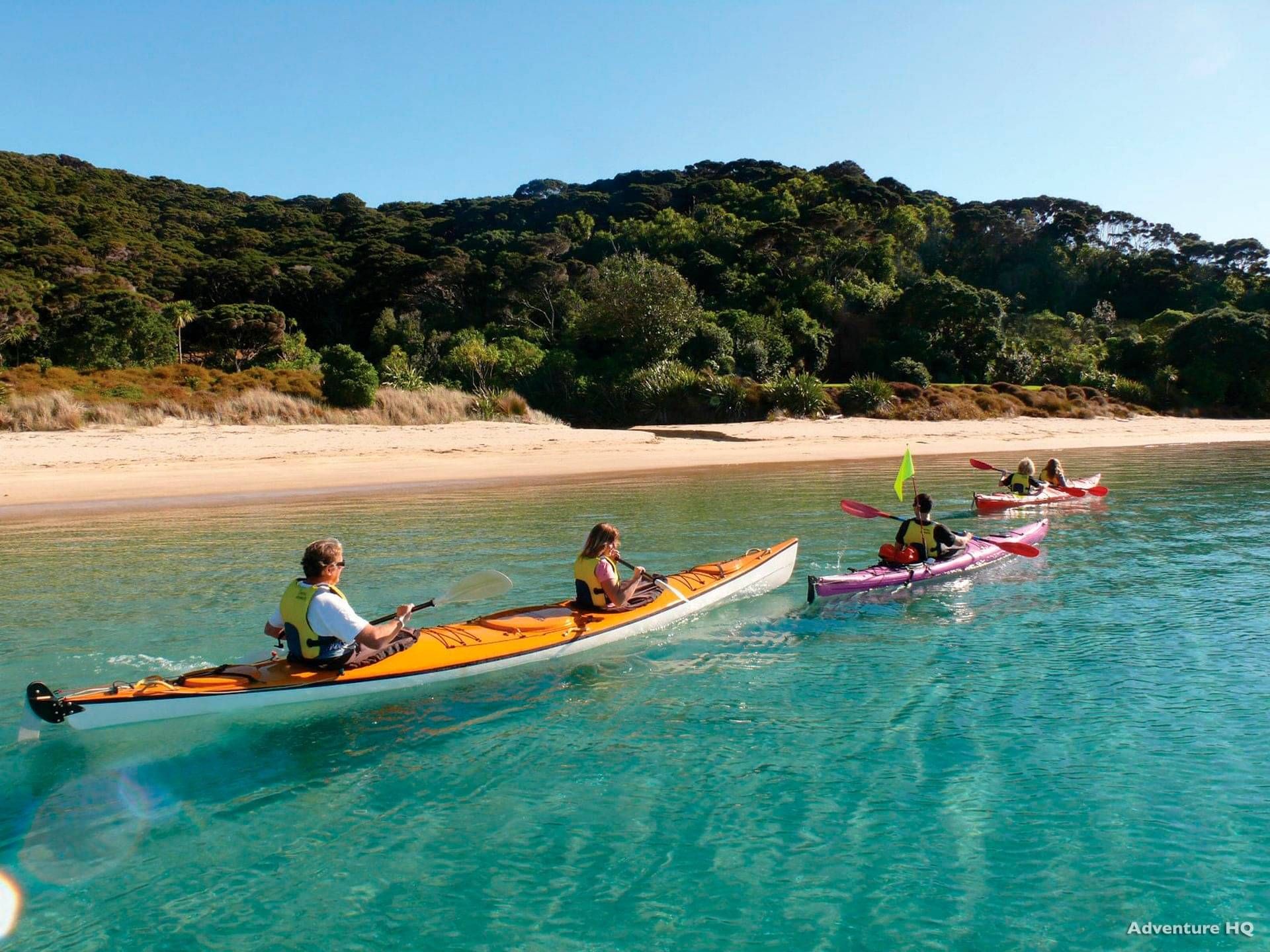
Whangārei and Kerikeri have the schools, clubs and services families need, and the smaller towns each have their own primary and secondary schools. Kids here grow up on the beach and in the water.
Housing costs less than Auckland and usually comes with a section you can do something with.
Auckland is the nearest big city and the country's main international airport, which matters if you'll be flying back to family.
The fuller picture
Northland isn't simply a quieter version of Auckland. It offers a very different way of living and working, and for many doctors that is exactly the appeal.
Teams are smaller, so you'll have more autonomy and get to know your colleagues well. The most specialised services are a short referral away in Auckland.
Whangārei is only around two and a half hours from Auckland, so city life, specialist networks and international flights are never far away.
Talk to us about Northland
We recruit right across New Zealand, so we can talk you through how services in Northland are structured, what the work looks like and what to expect day to day. If you're moving from overseas, registration, immigration and the practical side of relocating are part of the same conversation.
What is it like to work as a doctor in Northland?
The work is often broader than a city post and teams are smaller. Whangārei Hospital is the base hospital, with Bay of Islands, Kaitaia and Dargaville hospitals serving their communities.
It can suit doctors who value generalist practice and the chance to build longer-term relationships with a community.
Is Northland a good place to move to with children?
Yes. Whangārei and Kerikeri have the schooling, clubs and services families need, the smaller towns have their own schools, and the beach and the bush are part of everyday life.
How far is Northland from Auckland?
Auckland sits directly south and is the closest big city and the main international airport. Plenty of Northlanders head down for flights, events and some specialist appointments.


Contact Us
nz@nzdr.nz
+64 21 288 6937
www.nzdr.nz
Auckland, New Zealand

