Otago
A medical school city and the southern lakes
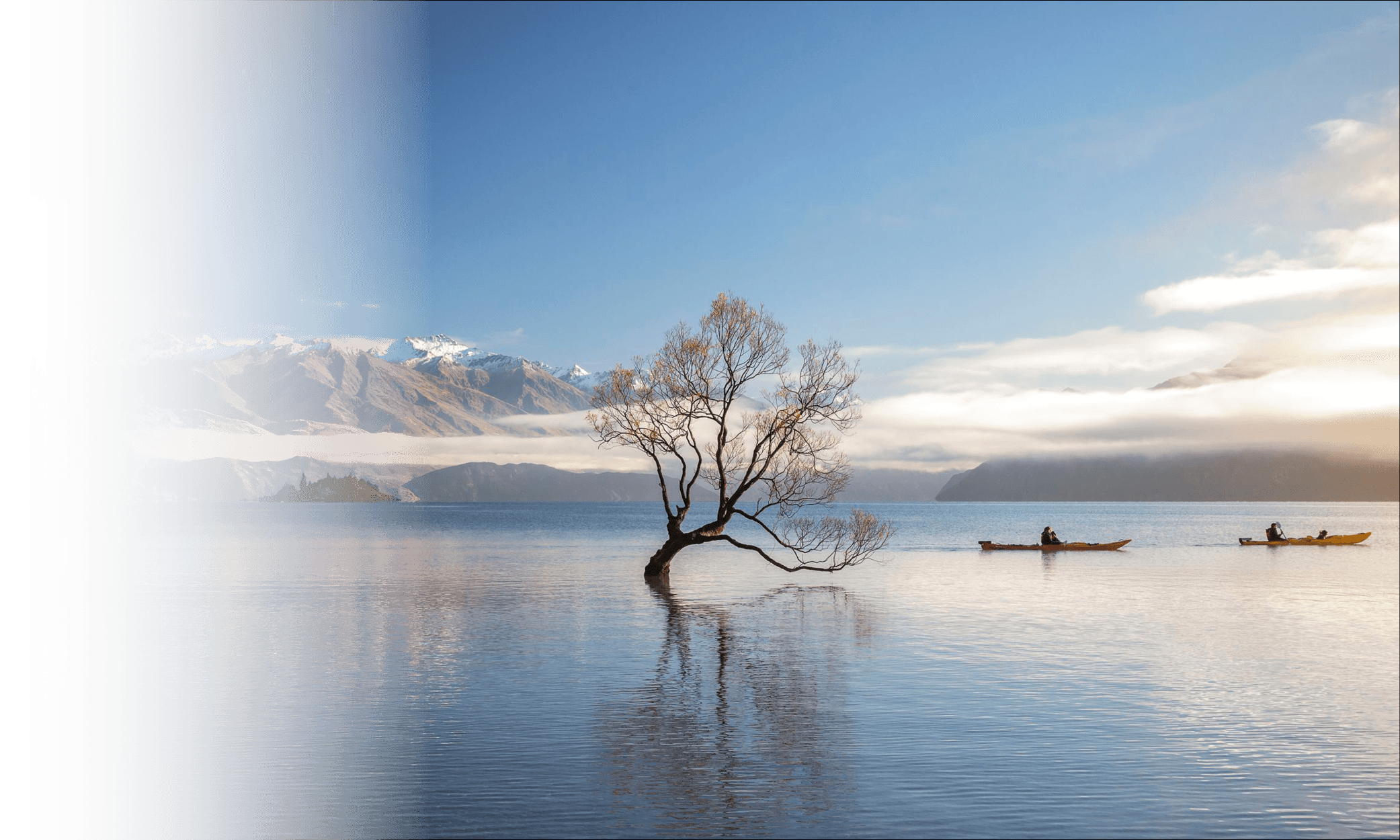
Otago runs from the Dunedin coast inland through Central Otago to Queenstown and Wānaka.
A tertiary teaching hospital at one end, the southern lakes towns at the other, and they suit very different people.
Otago at a glance
Main centres:
Dunedin, Queenstown, Wānaka, Oamaru
Population:
Regional population: 253,900
Largest urban centre: 131,600
Health district:
Otago and Southland (Southern)
Main hospital:
Dunedin Hospital
Summer average high:
19°C in Dunedin
22°C in Queenstown
Winter average high:
10°C in Dunedin
8°C in Queenstown
Sunshine:
1,590 hours in Dunedin
1,920 hours in Queenstown
Rainfall:
810 mm in Dunedin
910 mm in Queenstown
Living in Otago, two very different halves
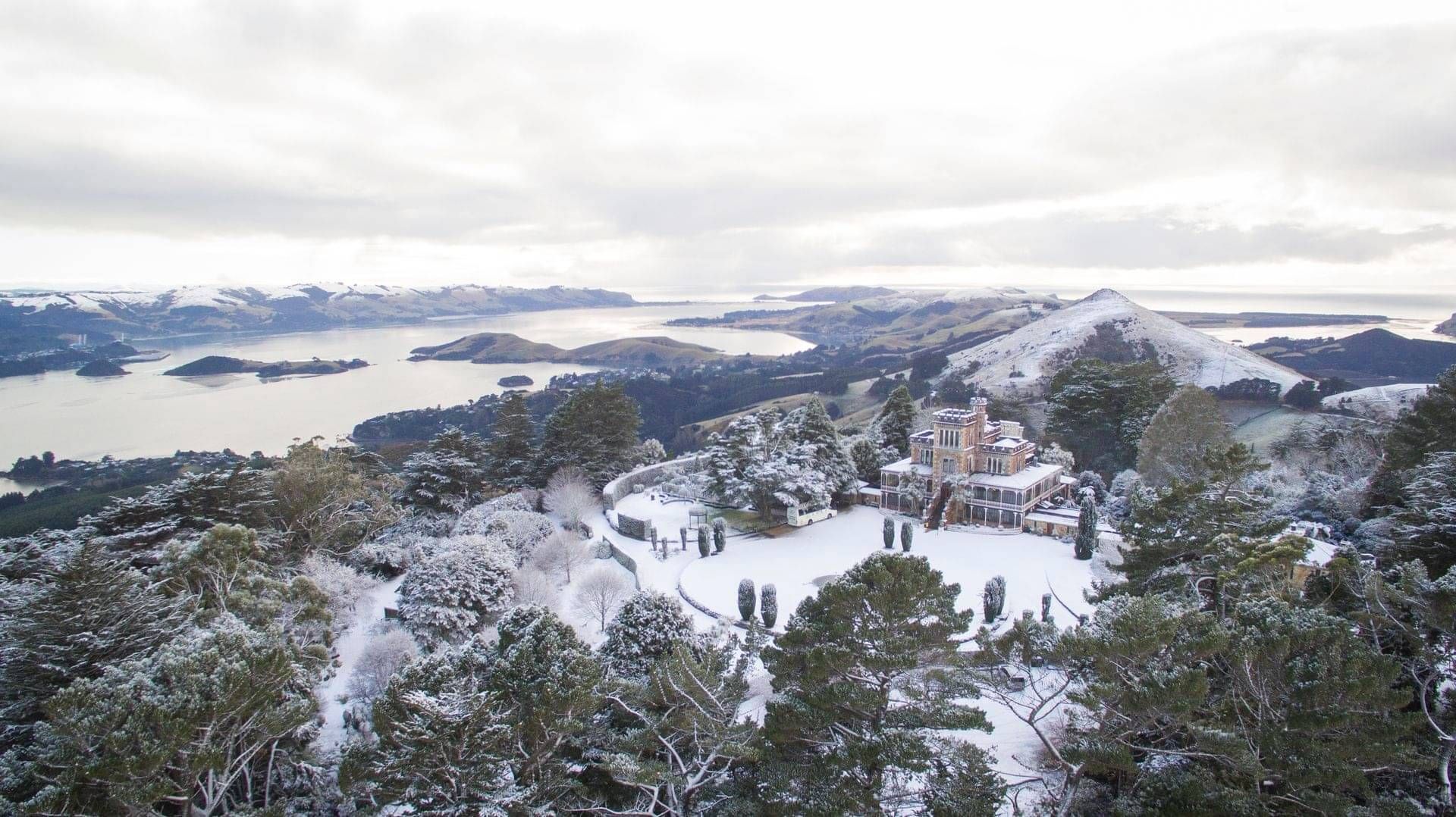
Dunedin sits on a harbour on the south-east coast. A Victorian university city with a strong architectural character and a student population that sets the tempo.
Central Otago inland is dry and mountainous, and increasingly known for its wine. Queenstown and Wānaka sit among the lakes and ranges and pull visitors from all over the world.
Oamaru to the north has its own limestone heritage centre, and Ranfurly covers the Maniototo. Coastal Dunedin and the high country are worlds apart.
Dunedin Hospital, and the smaller Otago sites
Health New Zealand describes Dunedin Hospital as a tertiary-level teaching hospital and the main academic centre for the University of Otago Medical School. It has a tertiary birthing unit.
Wakari Hospital in Dunedin is a mental health facility.
Lakes District Hospital in Queenstown is a small hospital with rural hospital and emergency medicine trainee registrar positions. Oamaru Hospital has an emergency department and a primary birthing unit. Maniototo Hospital at Ranfurly doesn't have one.
If teaching and research matter to your practice, Dunedin is one of only a handful of places in New Zealand with a real academic base.

Life in Dunedin, Queenstown and Wānaka
Dunedin is among the more affordable university cities in New Zealand and it's compact, with a music, arts and food culture built around the students.
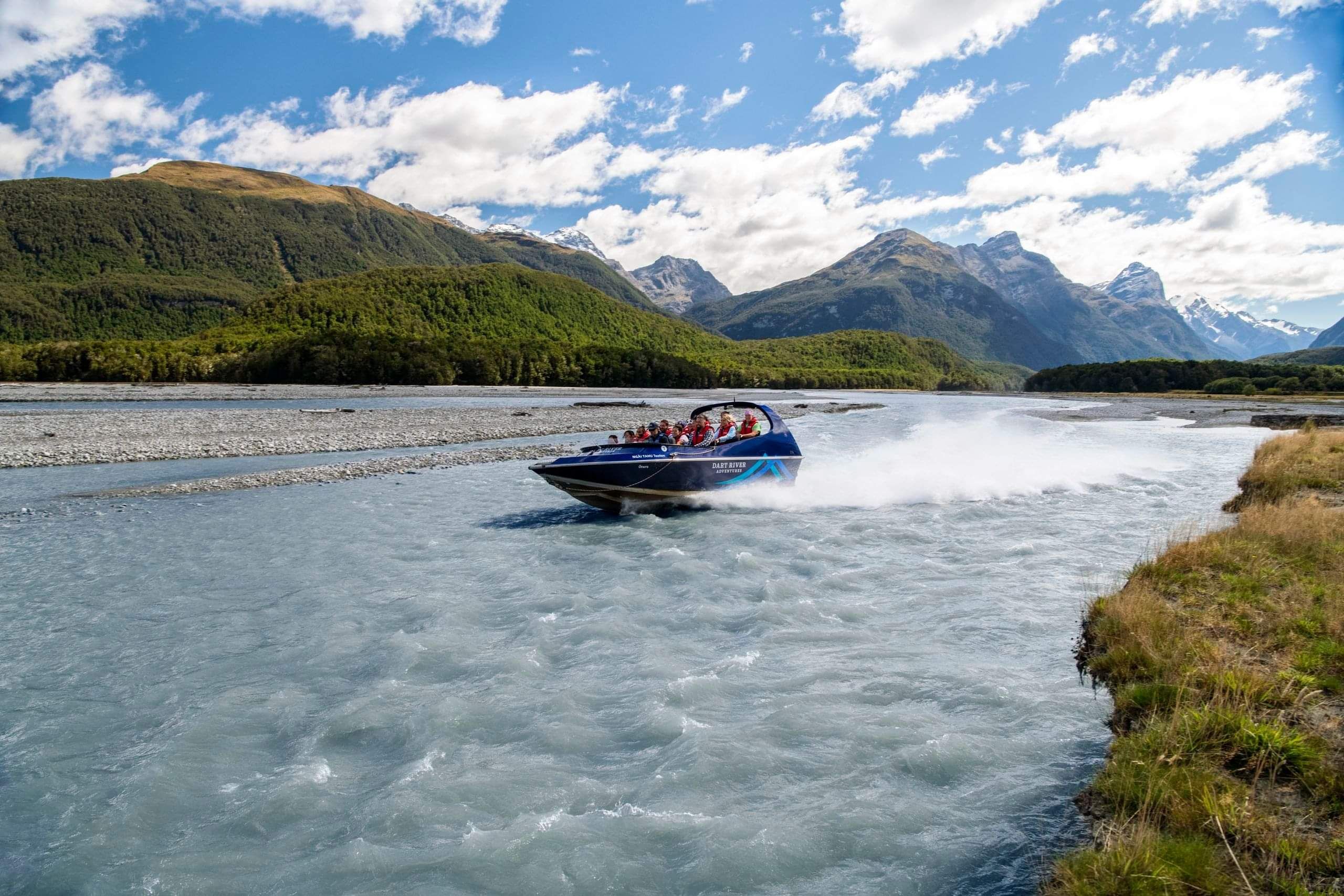
Queenstown and Wānaka give you skiing, climbing, biking and lake life on a scale that's hard to match. They're also the most expensive part of Otago to live in.
Wildlife on the Otago Peninsula, albatross and penguins included, is a short drive from central Dunedin.
The fuller picture
Dunedin has crisp, clear winters and long summer evenings, and the ski fields of Central Otago are within reach.
Queenstown and Wānaka are popular places to live, with housing to match, and Queenstown Airport has direct flights to Australia. Doctors move there for the lifestyle and rarely regret it.
Otago sits inside the Southern district, the largest geographical district in New Zealand, so some roles include work across more than one site.

Talk to us about Otago
Dunedin and Queenstown are entirely different jobs in entirely different places, so we'll be specific about which one a role actually is. For international doctors, registration, immigration and relocation sit alongside the role conversation.
Is Dunedin Hospital a teaching hospital?
Yes. Health New Zealand describes Dunedin Hospital as a tertiary-level teaching hospital and the main academic centre for the University of Otago Medical School.
Can I work as a doctor in Queenstown?
Lakes District Hospital in Queenstown is a small hospital with rural hospital and emergency medicine trainee registrar positions. It's a small, close-knit service in one of the most spectacular settings in the country.
What is Dunedin like to live in?
Compact, affordable by New Zealand university city standards, with Victorian architecture, a strong music and arts culture driven by the students, and wildlife on the Otago Peninsula a short drive away.


Contact Us
nz@nzdr.nz
+64 21 288 6937
www.nzdr.nz
Auckland, New Zealand

