Rotorua & Taupō
Lakes, forests and a five-minute commute
Rotorua and Taupō sit in the middle of the North Island, surrounded by lakes, forest and geothermal country. Two hospitals, short drives to work, and the outdoors starts at the edge of town.
Rotorua and Taupō at a glance
Main centres:
Rotorua, Taupō, Tūrangi
Population:
Regional population: 120,700
Largest urban centre: 72,800
Health district:
Rotorua and Taupō (Lakes)
Main hospitals:
Rotorua Hospital, Taupō Hospital
Summer average high:
23°C in January
Winter average high:
11°C in July
Sunshine:
2,120 hours in Rotorua
1,970 hours in Taupō
Rainfall:
1,400 mm in Rotorua
1,100 mm in Taupō
Living in Rotorua and Taupō, the middle of the island
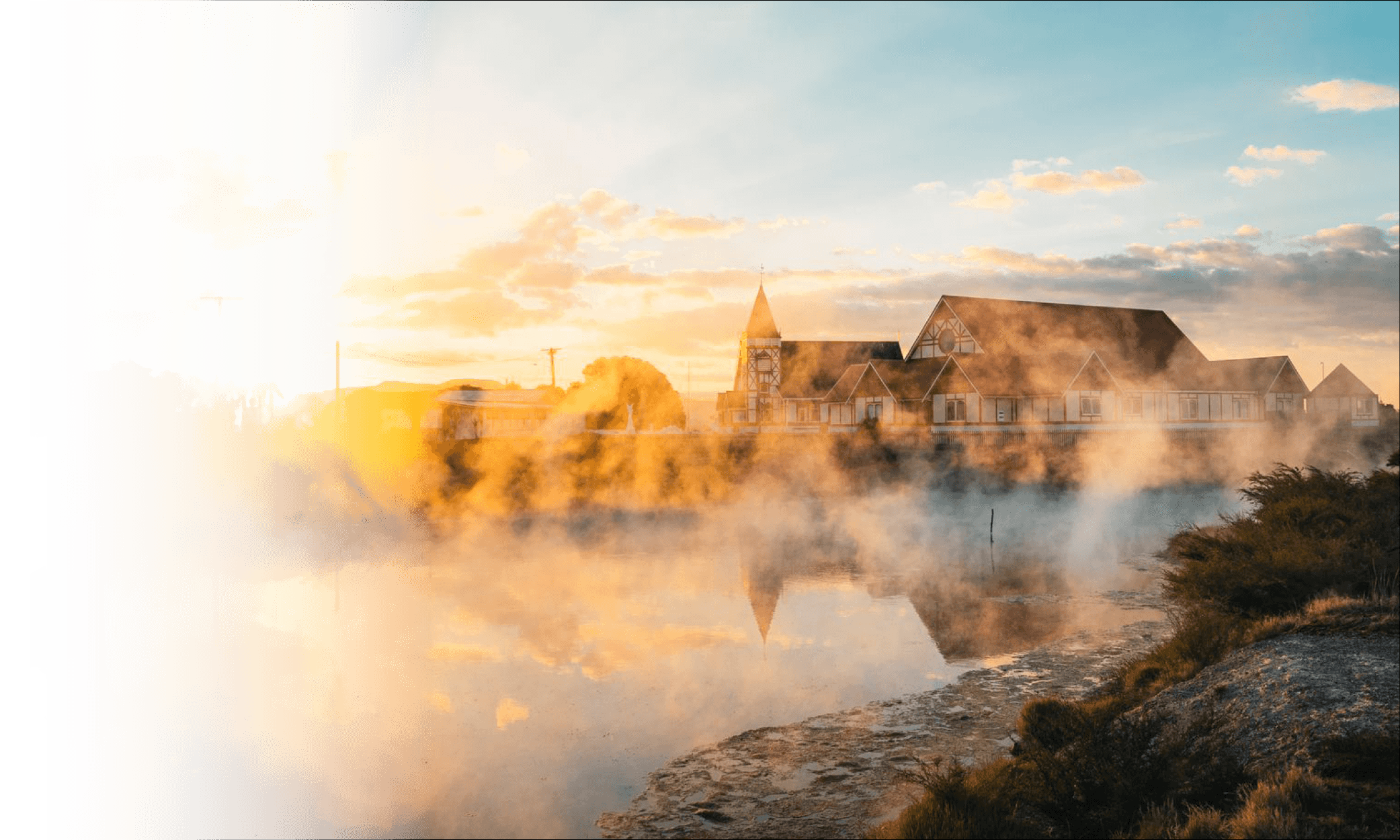
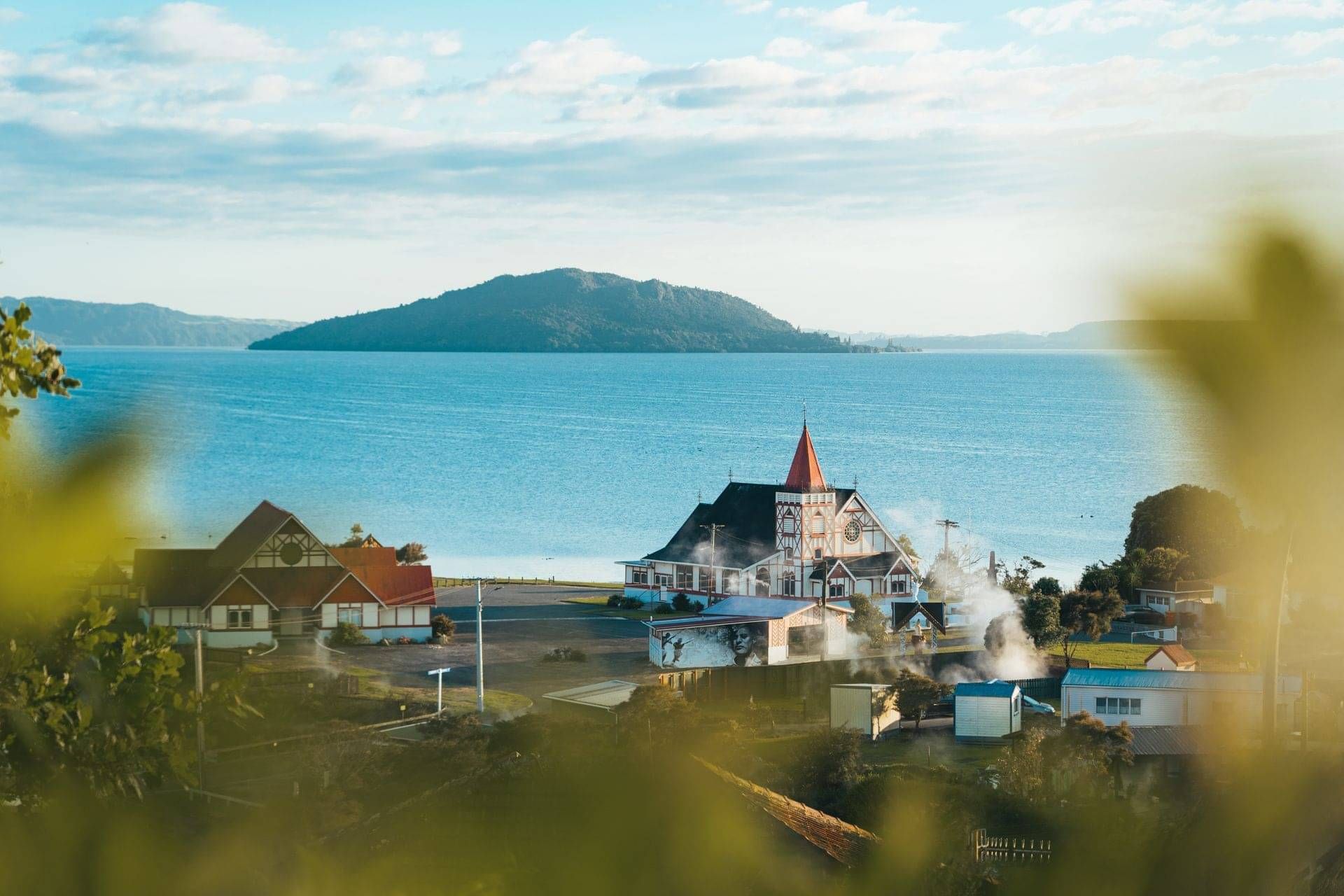
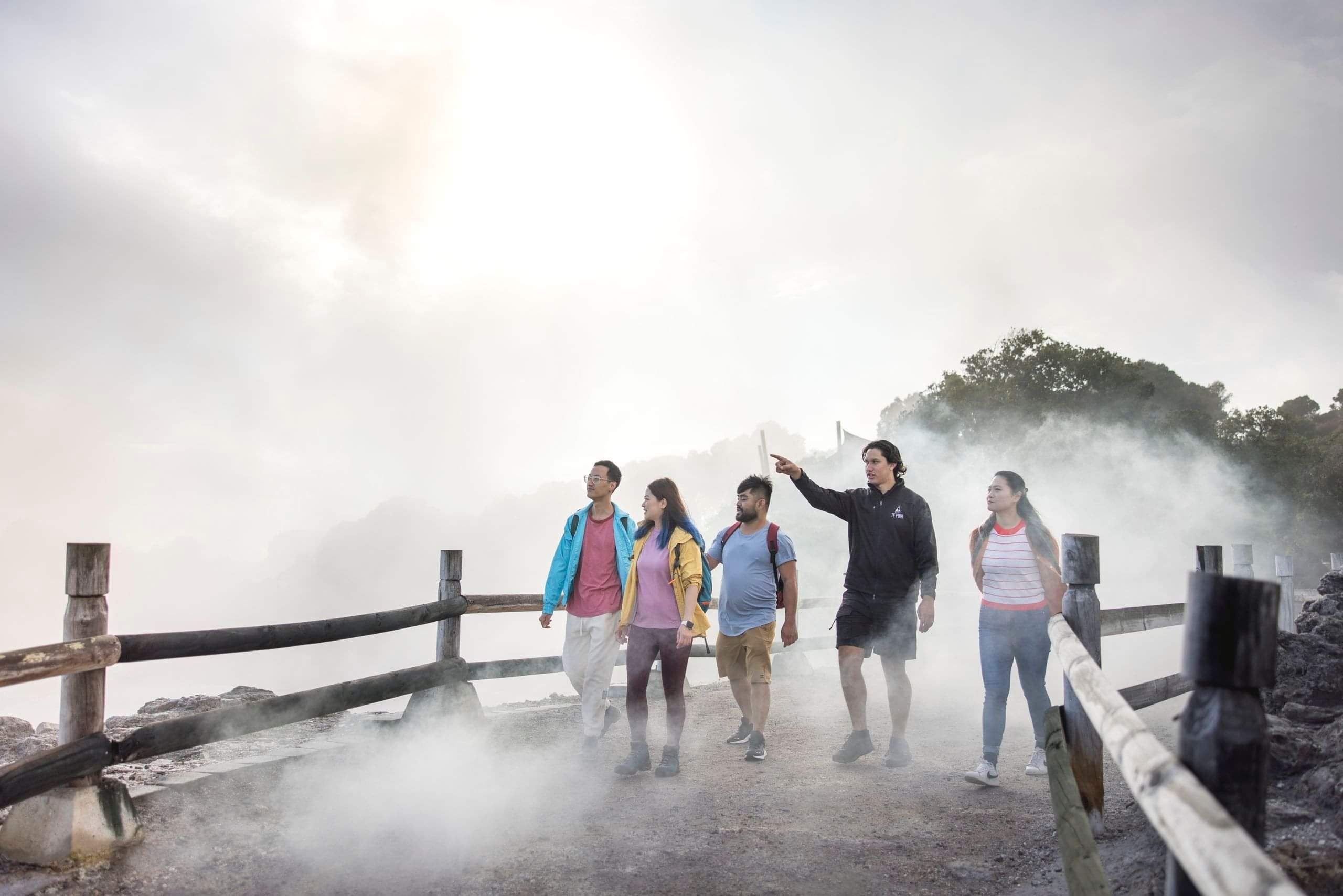
Rotorua is built on a geothermal field beside a lake, with steam coming up out of parks and roadside drains. It's a centre of Māori culture and one of the country's oldest tourist towns.
Taupō sits an hour south on the shore of New Zealand's biggest lake, with Huka Falls on the edge of town and the volcanoes of Tongariro National Park on the skyline.
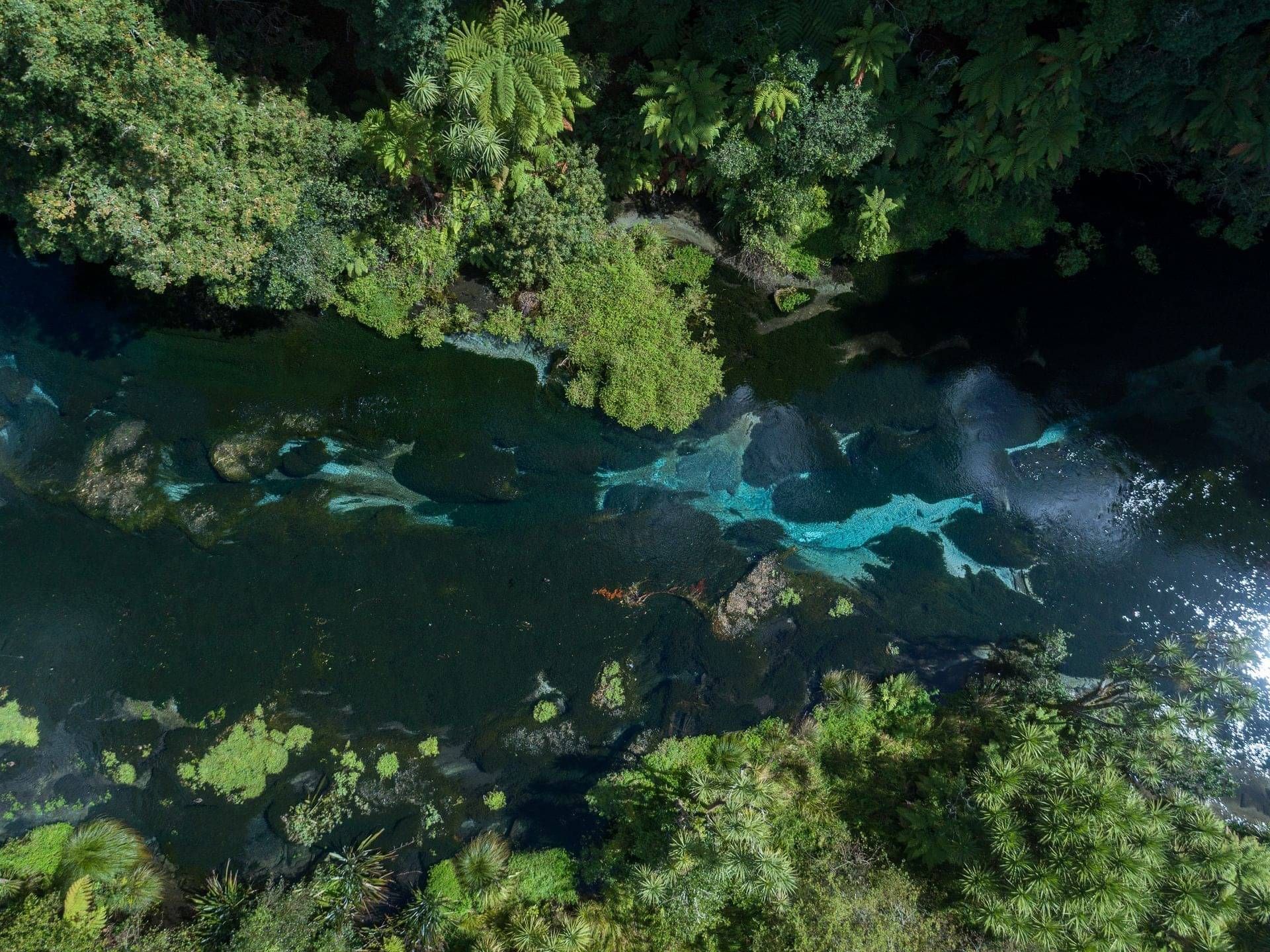
Around Rotorua you've got the Whakarewarewa Redwoods forest trails, eighteen lakes and thermal pools. South of Taupō, past Tūrangi, is Tongariro National Park, home of the Tongariro Alpine Crossing and the Ruapehu ski fields. If the outdoors is why you're looking at New Zealand, this is where it's closest.
Rotorua and Taupō hospitals, in the Lakes district
Rotorua Hospital is the larger. It runs an emergency department, a secondary birthing unit, intensive care, oncology, endoscopy and a renal satellite dialysis unit.
Taupō Hospital has an emergency department and a primary birthing unit, covering Taupō and Tūrangi.
Teams are smaller than a city service, which usually means you know everyone you work with and decisions happen quickly.
Everyday life around the lakes
Both towns are small enough that work is a few minutes away and big enough for proper schools, sport and services.
Housing costs less than the main centres, and you'll usually get a section with it.
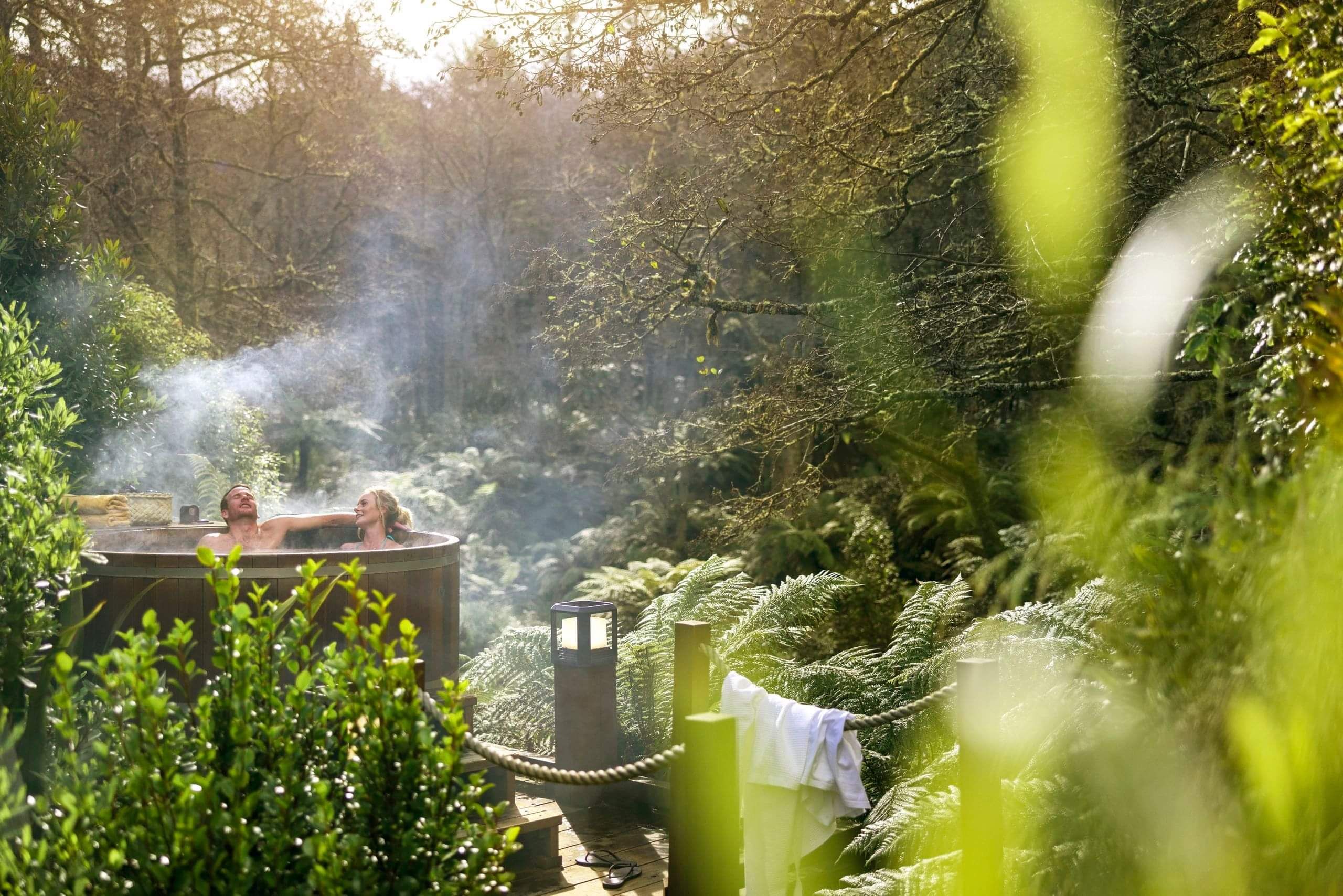
Weekends here fill themselves. Lakes, bike trails, trout fishing, hot pools, and skiing on Ruapehu in winter, all of it close by rather than a trip you plan months out.
The fuller picture
Both hospitals offer secondary-level care, with tertiary support at Waikato Hospital. Smaller departments mean broader scope and a team where everyone knows each other.
Rotorua's geothermal activity is part of its character. Visitors notice the sulphur, locals stop noticing it within a few weeks and enjoy the hot pools year round.
Tourism is a big part of both towns, which means great restaurants, events and activities for a place this size.
Talk to us about the Lakes
We'll tell you how the services here are structured and what the day to day actually looks like. If you're moving from overseas, registration, immigration and relocation are part of the same conversation.
What services does Rotorua Hospital provide?
Health New Zealand lists an emergency department, a secondary birthing unit, intensive care, oncology, endoscopy and a renal satellite dialysis unit.
Is Taupō a good place to live as a doctor?
Taupō sits on the country's biggest lake and has a hospital with an emergency department and a primary birthing unit. It suits doctors who want a short commute, the outdoors on tap and a close-knit team.
What is there to do in Rotorua and Taupō?
Mountain biking in the Whakarewarewa Redwoods, trout fishing, hot pools, lake sports and Māori cultural experiences around Rotorua, with Huka Falls, Tongariro National Park, the Tongariro Alpine Crossing and the Ruapehu ski fields within reach of Taupō.


Contact Us
nz@nzdr.nz
+64 21 288 6937
www.nzdr.nz
Auckland, New Zealand

