Tairāwhiti
Sunny, close-knit and clinically diverse
Tairāwhiti sits on the East Coast around Gisborne, the first city in the world to see the sun each day. The clinical scope is wide, the community is tight, and the lifestyle is hard to beat.
Tairāwhiti at a glance
Main centres:
Gisborne
Population:
Regional population: 52,700
Largest urban centre: 43,600
Health district:
Tairāwhiti
Main hospital:
Gisborne Hospital
Summer average high:
25°C in January
Winter average high:
14°C in July
Sunshine:
2,180 hours a year
Rainfall:
1,050 mm a year

Living in Gisborne, first place in the country to see the sun
Gisborne sits on Poverty Bay with surf beaches in town. The region runs north up the East Coast through small settlements and farmland to the East Cape.
This is wine and horticulture country, warm and dry with long summers. Māori culture is central to the identity of the place rather than a feature of it.
Life here has its own unhurried pace, and direct flights connect Gisborne to Auckland and Wellington when you need the city.
Gisborne Hospital, carrying a whole region
Health New Zealand describes Gisborne Hospital as a secondary hospital with a wide range of acute and specialist services, and as the main hospital and secondary referral hospital for the region. It has a secondary birthing unit.
Te Whare Awhiora, the acute inpatient mental health unit, sits alongside it.
As the region's main hospital, the range of what turns up is wide and you handle more of it yourself. Doctors who want to stay broad rather than narrow into a subspecialty tend to find the work here suits them.
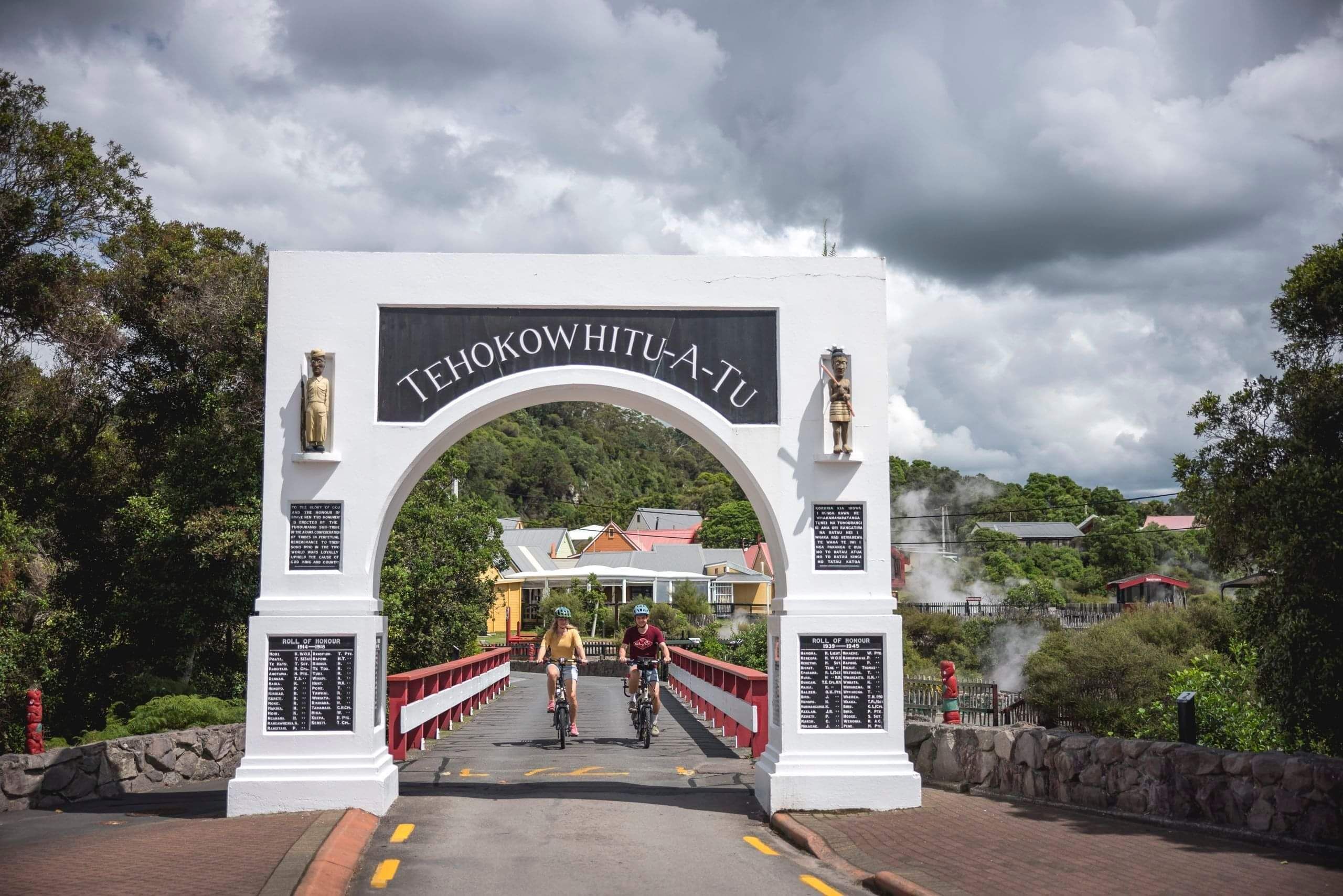

Moving to Tairāwhiti, a town that'll know who you are
Gisborne is small. Your colleagues are your neighbours, your patients are at the same school gate, and you'll be a known face around town.
For plenty of doctors and their families that's the appeal. You're not a name on a roster, you're part of the place.
Housing costs less than most of the country and the beach is a few minutes from most of town.
The fuller picture
The hospital covers a spread-out rural population with a small team, and the need here is real. The work gives a lot back and it asks a lot.
The most complex cases transfer to larger centres, and direct flights to Auckland and Wellington make trips to see family or get to a conference simple.
Tairāwhiti suits doctors who come intending to stay. The relationships you build are a lot of what makes the job.

Talk to us about Tairāwhiti
We'll talk you through the scope, the team and the lifestyle, so you can judge for yourself whether it fits. Where it helps, we can put you in touch with doctors already working in this kind of setting so you hear it first-hand.
What kind of hospital is Gisborne Hospital?
Health New Zealand describes it as a secondary hospital with a wide range of acute and specialist services, and as the main hospital and secondary referral hospital for the region.
How do you get to and from Gisborne?
Gisborne Airport has direct flights to Auckland and Wellington. By road, Napier is around three hours south. Being a little off the beaten track is part of what keeps the region's character and community so strong.
Why do doctors choose to work in Tairāwhiti?
Usually for the range of clinical work, the strength of the community, and the chance to make a visible difference where the need is real. Doctors who want to stay broad rather than narrow tend to settle well.


Contact Us
nz@nzdr.nz
+64 21 288 6937
www.nzdr.nz
Auckland, New Zealand

