West Coast
The broadest rural practice in the country
The Coast runs down the western side of the South Island between the mountains and the sea, from Karamea in the north to Haast in the south.
Not many places in New Zealand ask more of a generalist, and not many look like this either.
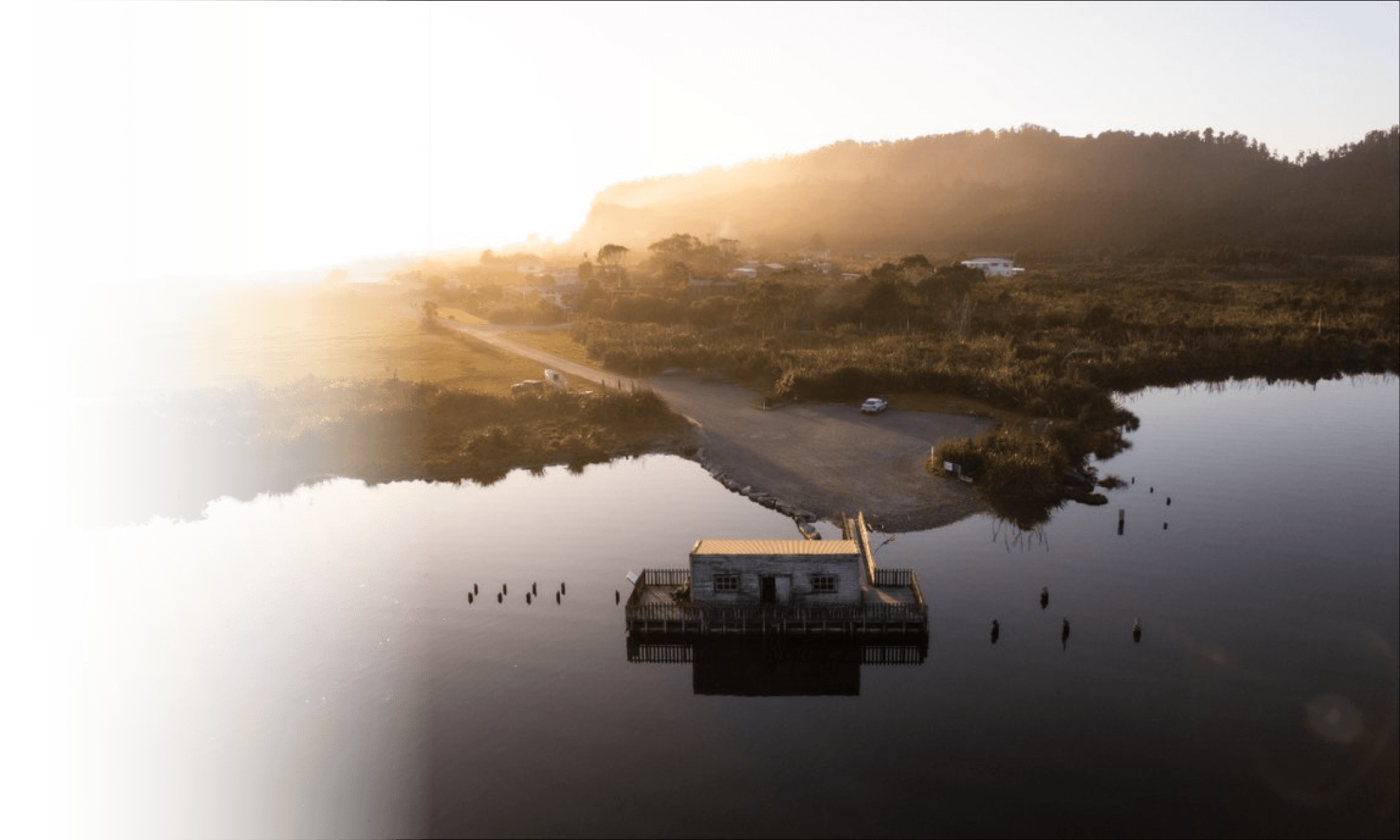
The West Coast at a glance
Main centres:
Greymouth, Westport, Hokitika, Reefton
Population:
Regional population: 34,700
Largest urban centre: 12,900
Health district:
West Coast
Main hospital:
Te Nīkau Hospital and Health Centre, Greymouth
Summer average high:
20°C in January
Winter average high:
12°C in July
Sunshine:
1,860 hours a year
Rainfall:
2,880 mm a year

Living on the West Coast, rainforest, glaciers and one long road
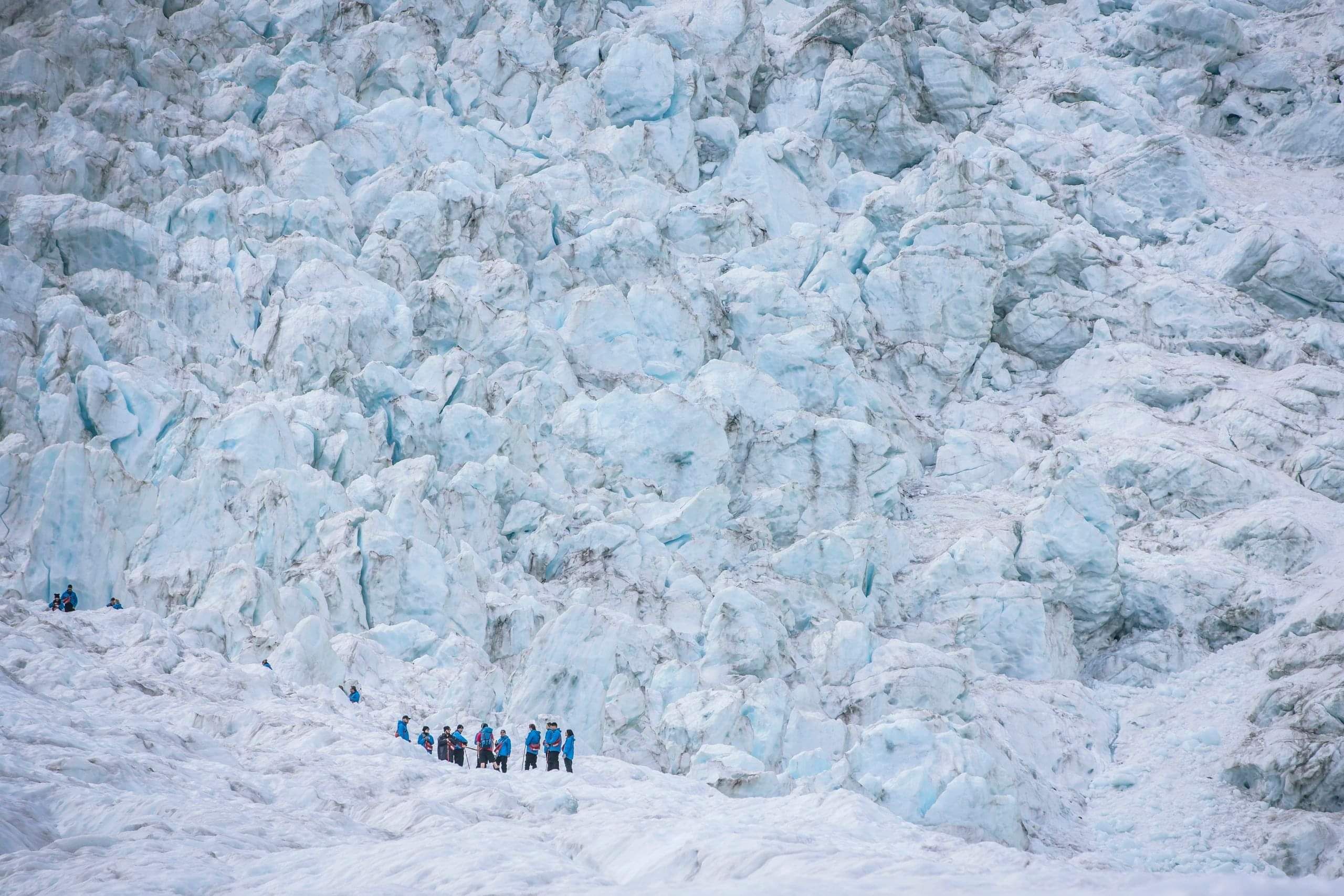
The Coast is a narrow strip with the Southern Alps on one side and the Tasman Sea on the other. Rainforest runs down to the beach and the glaciers come close to sea level.
Greymouth is the main town, Westport to the north, Reefton inland, Hokitika to the south. Between and beyond them are small settlements strung along a single road.
This is one of the least crowded parts of the country, with wide open beaches, rivers and mountains that you can often have to yourself.
Te Nīkau Hospital and the Coast's health centres
Te Nīkau Hospital and Health Centre at Greymouth is the district's hospital and the only site with an emergency department. It has a secondary birthing unit, and the district runs a critical care unit, general medical and general surgical services and a mental health unit.
Buller Health Centre at Westport, Reefton Health and the Hokitika Health Centre cover their towns. Smaller clinics run at Karamea, Ngākawau, Moana, Hari Hari, Whataroa, Franz Josef, Fox Glacier and Haast.
Working here is rural generalism in the true sense. You manage more yourself, often for longer, before a transfer is considered. For doctors who value a broad generalist scope, that can be professionally rewarding, but it also comes with greater individual responsibility.
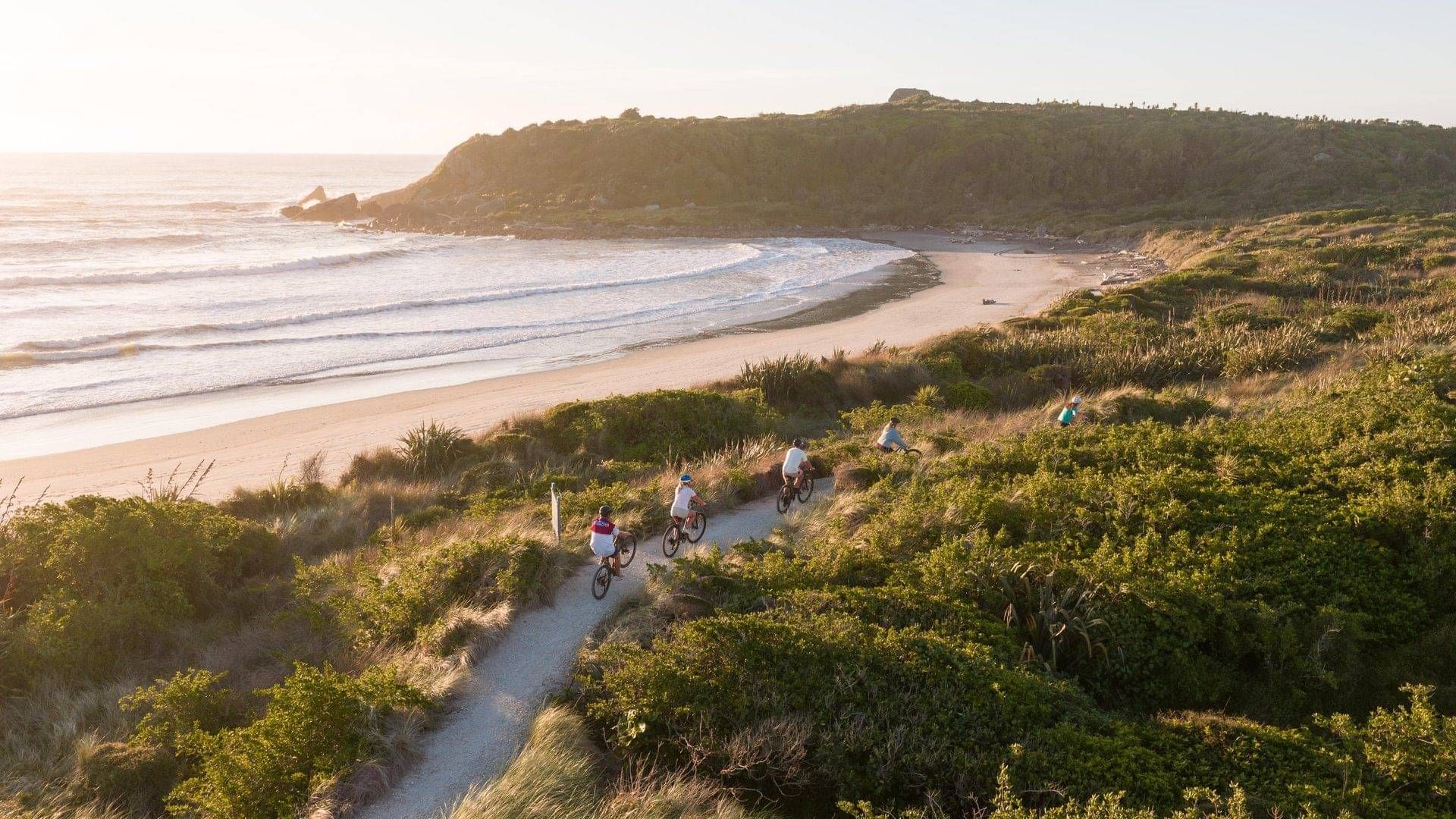
Family life on the Coast
Housing is among the most affordable in New Zealand, and day-to-day life tends to come with very little traffic or waiting around.
Coasters have a reputation for being direct, self-reliant and good to people who commit to the place. It's largely deserved.
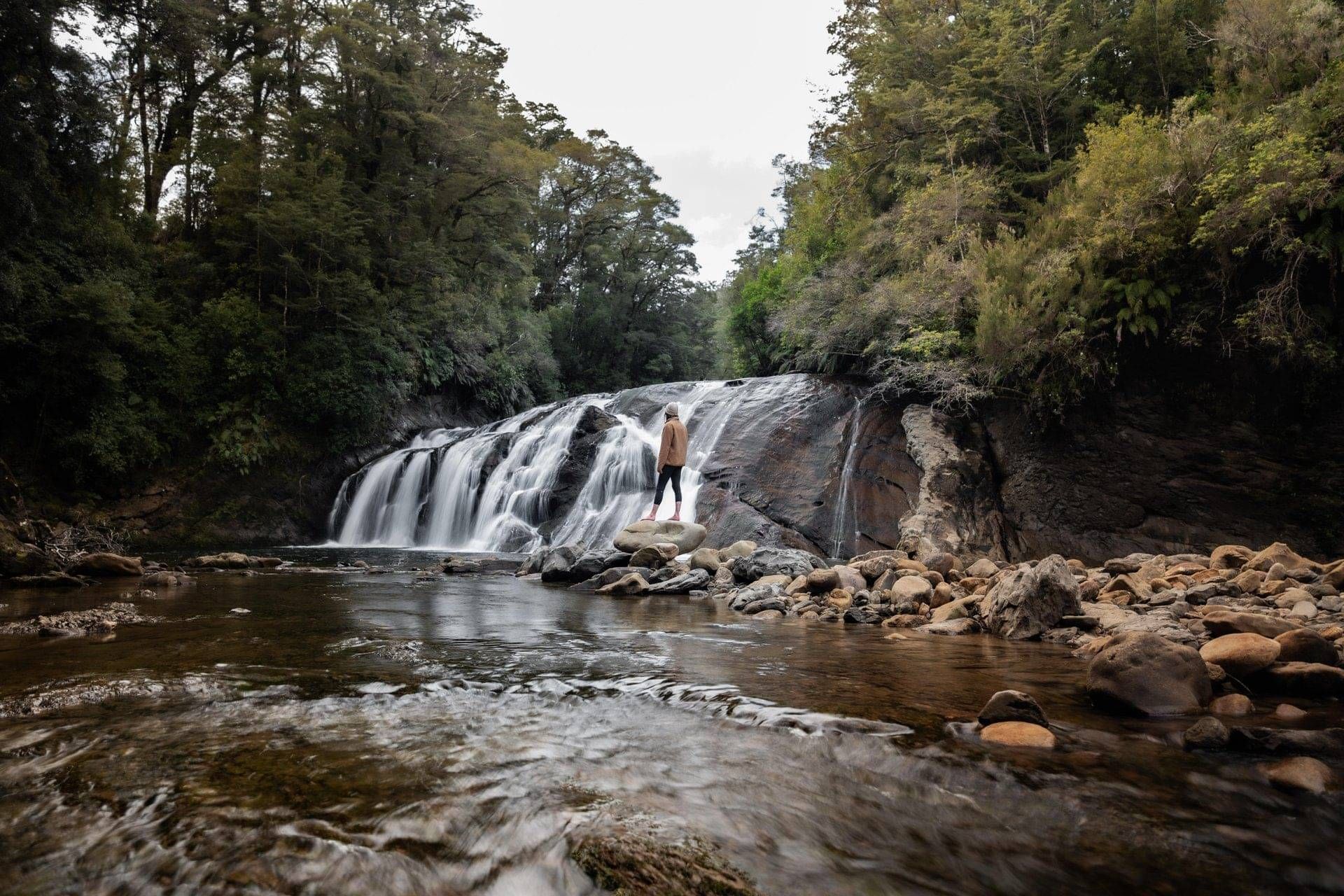
If you fish, hunt, tramp, kayak or climb, there's about as much access here as New Zealand offers anywhere.
The fuller picture
The Coast offers a breadth of practice that is difficult to find in a city. You'll carry more clinical responsibility yourself, with Christchurch's tertiary services behind you.
The rain keeps the rainforest green, and the sunny days in between are spectacular. Greymouth, Westport, Hokitika and Reefton all have their own secondary schools.
Christchurch is over the Alps by road or on the TranzAlpine, one of the great train journeys of the world, and Hokitika and Westport airports have regular flights.
Talk to us about the Coast
We'll talk through what the work involves and what life on the Coast looks like day to day. Where it helps, we can put you in touch with doctors who've worked in this kind of setting so you hear it from someone who's done it.
What hospital serves the West Coast?
Te Nīkau Hospital and Health Centre at Greymouth is the district's hospital and the only site on the Coast with an emergency department. The district also runs a critical care unit, general medical and general surgical services and a mental health unit.
What is rural medicine like on the West Coast?
Broad and rewarding. You manage more yourself and for longer, with Christchurch's tertiary services behind you. Doctors who want full generalist scope tend to rate it highly.
How do you get to and from the West Coast?
Hokitika and Westport airports have regular flights, the TranzAlpine train runs between Greymouth and Christchurch, and Arthur's Pass and Lewis Pass cross the Alps by road.
For doctors who choose the Coast, the sense of space is a big part of the appeal.


Contact Us
nz@nzdr.nz
+64 21 288 6937
www.nzdr.nz
Auckland, New Zealand

