Whanganui
A river city with more to it than you'd think
Whanganui sits where the river meets the sea. Heritage streets, a strong arts scene, one hospital covering the district, and some of the most affordable housing in the North Island.
Whanganui at a glance
Main centre:
Whanganui
Population:
Regional population: 49,200
Largest urban centre: 48,100
Health district:
Whanganui
Main hospital:
Whanganui Hospital
Summer average high:
23°C in January
Winter average high:
13°C in July
Sunshine:
2,040 hours a year
Rainfall:
880 mm a year
Living in Whanganui, a city built around its river
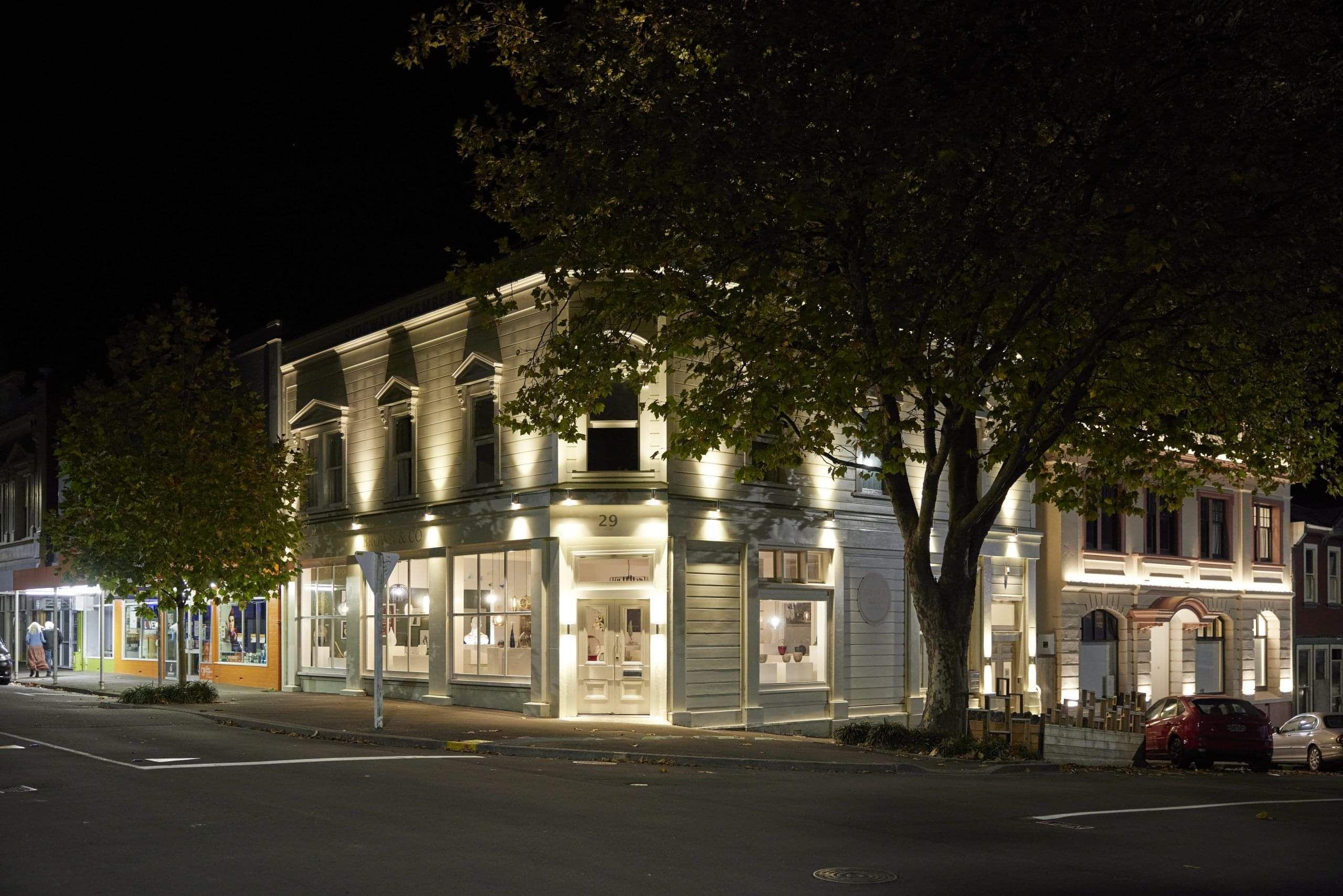
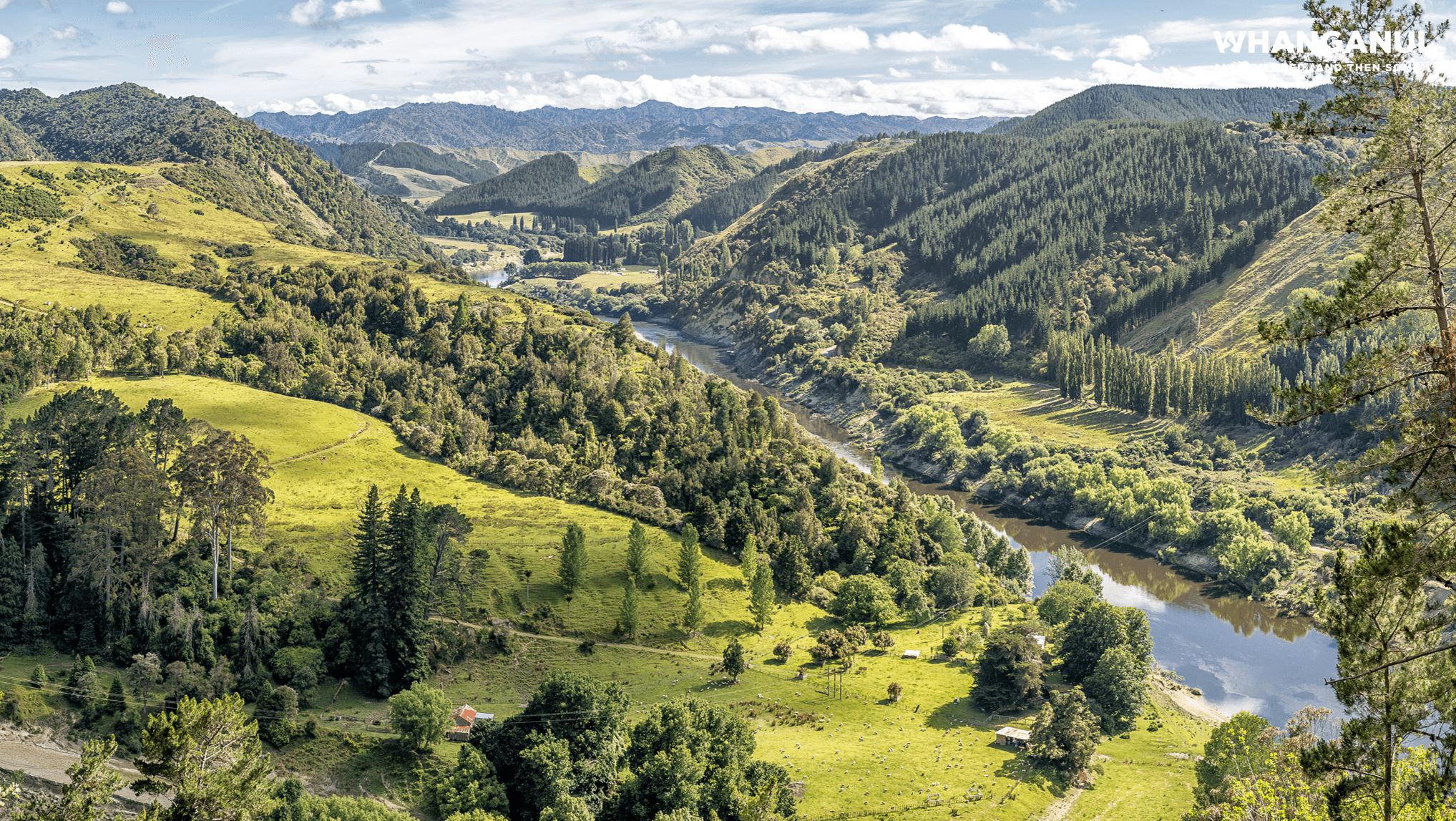
Whanganui has one of the most intact historic main streets in the country, left over from when the river was the way into the interior.
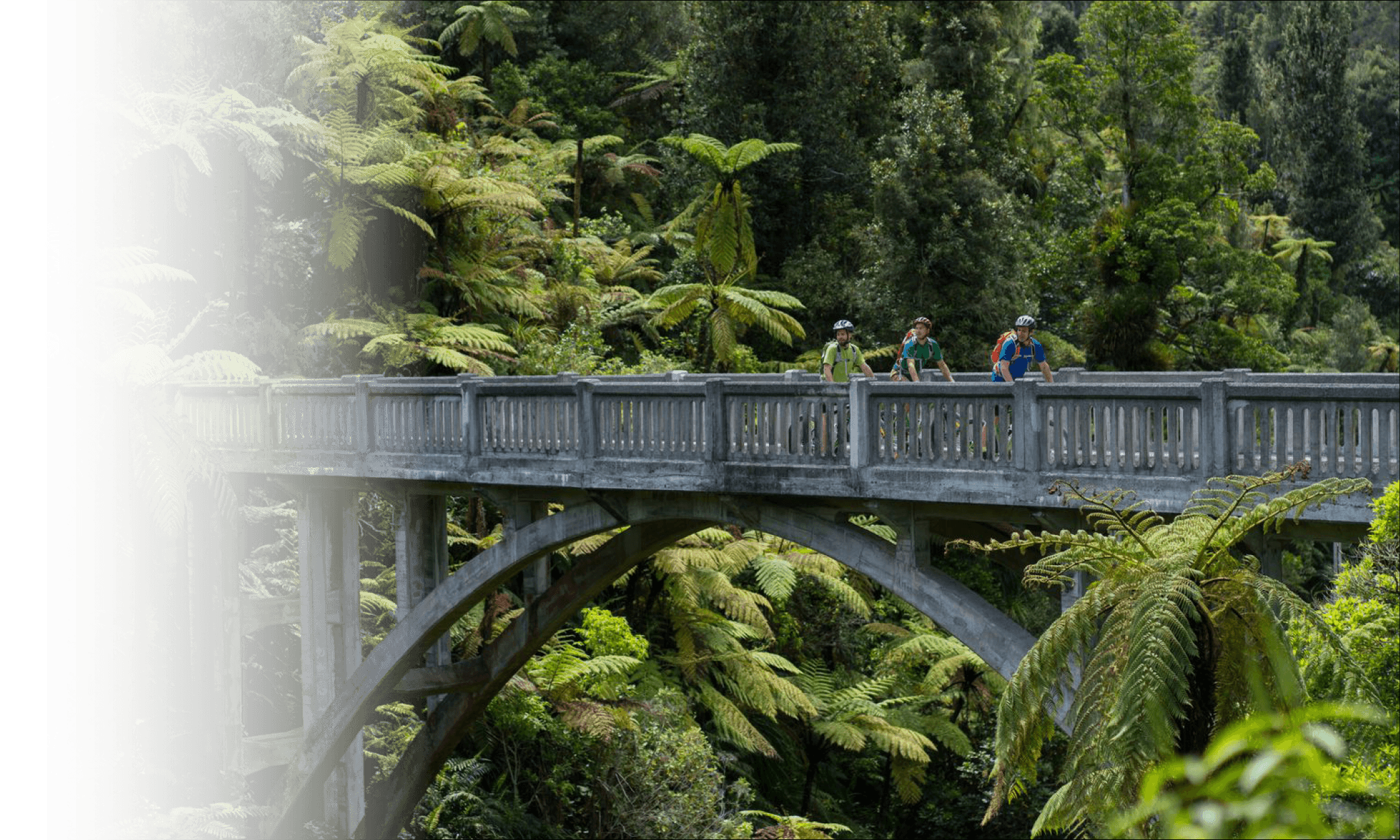
The river runs deep into the North Island through the Whanganui National Park. In 2017 it was granted legal personhood under New Zealand law, which gives you some idea of how central it is here.
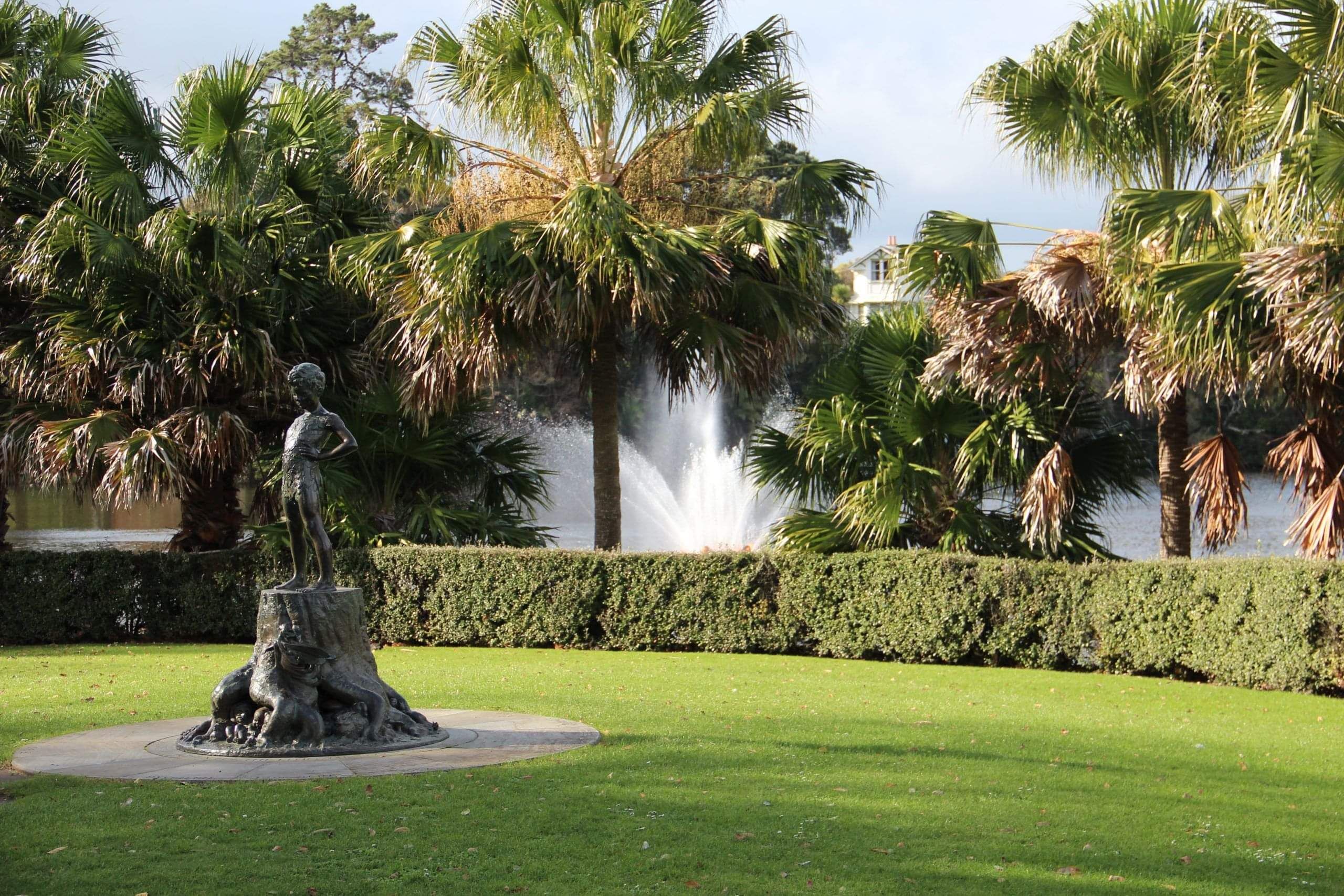
There's an unusually busy arts and glass-blowing scene for a city this size, plus a long beach and the ranges inland.
Whanganui Hospital, one site and plenty of variety
Whanganui Hospital covers the district. Health New Zealand lists an emergency department, an acute assessment unit, a critical care unit, an acute stroke unit, operating theatres, a maternity unit and a forensic mental health unit. It has a secondary birthing unit.
The forensic mental health service is a distinctive part of what the hospital does and draws clinicians with that interest.
Teams are small. You'll know the people you refer to, and decisions don't disappear into a system.
Everyday life in Whanganui
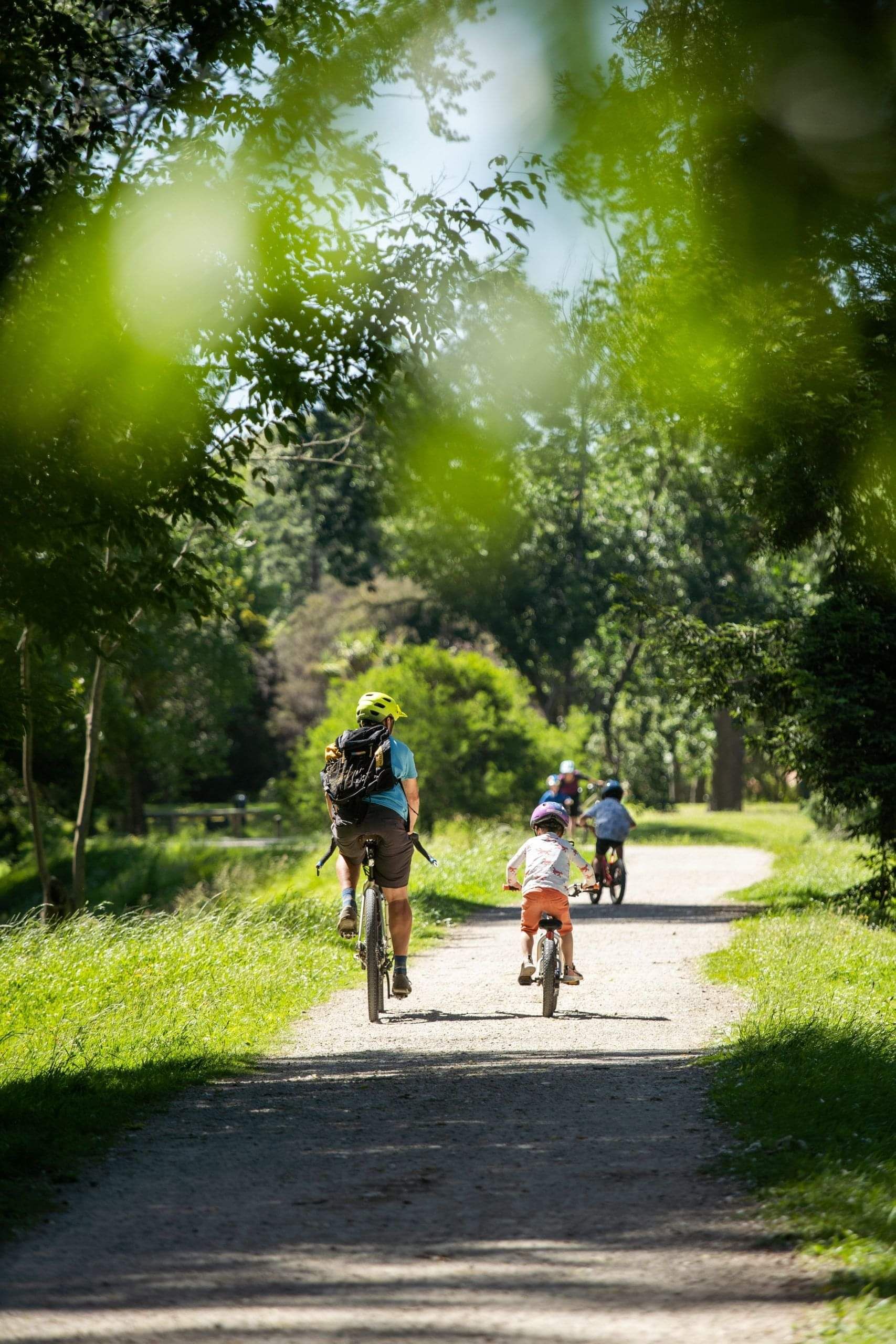
Housing here is among the most affordable in the North Island, and getting across town takes minutes.
The city has the schools, sports clubs and services a family needs without the congestion of a bigger centre.
Palmerston North is the nearest larger city, which gives you a bigger airport and more options when you want them.
The fuller picture
One hospital covers the district, so you see a wide variety of cases, with the most complex referred to larger centres.
Health New Zealand describes what the hospital runs rather than giving it a tertiary or secondary label, so we'd rather tell you what it does than stick one on.
What you get here is variety, autonomy and your commute back, in a city with real character.
Talk to us about Whanganui
Whanganui is a separate health district from MidCentral and the two get grouped together, so we'll be clear about which service you'd actually be joining. For international doctors, registration, immigration and relocation sit alongside the role conversation.
What services does Whanganui Hospital provide?
Health New Zealand lists an emergency department, an acute assessment unit, a critical care unit, an acute stroke unit, operating theatres, a maternity unit, a forensic mental health unit and a secondary birthing unit.
Is Whanganui part of the MidCentral district?
No.
Whanganui is its own Health New Zealand district. It gets grouped with MidCentral under the geographic label Manawatū-Whanganui, but they're separate districts with separate hospitals.
Is Whanganui affordable?
Housing in Whanganui is among the most affordable in the North Island and getting across town takes minutes.
That combination is a big part of why doctors and their families look at it.


Contact Us
nz@nzdr.nz
+64 21 288 6937
www.nzdr.nz
Auckland, New Zealand

